You might think one size fits all in baseball cleats, but that’s exactly how you end up with blisters and sloppy cuts on the field. Finding your perfect fit means looking past the number on the box and understanding how Nike, Adidas, and New Balance each build their cleats differently. You’ll need to measure your feet properly, account for brand quirks, and know when to size up or down.
The seven charts ahead break down everything from toddler sizes to adult widths. Ready to stop guessing and start stealing bases in comfort?
Start With Your Sneaker Size, Then Tighten for Baseball
Where do you begin when picking baseball cleats? You start with your regular sneaker size as your baseline. Cleats need a snug fit to keep you locked in during quick cuts and sprints.
Start with your regular sneaker size as your baseline, then tighten for a snug, locked-in fit.
You want about a quarter-inch of toe room up front, enough to wiggle but not slide. Your heel must feel secure with zero lift when you jog or pivot. If you’re between sizes, choose the tighter option; loose cleats cost you control and speed.
Always test your cleats with game socks since they affect fit. Walk, jog, and simulate field movements to confirm everything stays locked down. A sloppy heel or cramped toe kills your game, so trust your feet and tighten up from that sneaker starting point.
Recommended Products

Synthetic upper with molded details is light, breathable & super durable

The durable synthetic upper provides stability and lasting comfort. A cleated rubber outsole delivers reliable grip on various surfaces, ensuring confident movement in every step.

Unique rubber molded cleats give the shoes grip, reducing the chance of children slipping and falling, enjoying safe baseball and softball.
Measure Your Feet for Baseball Cleats
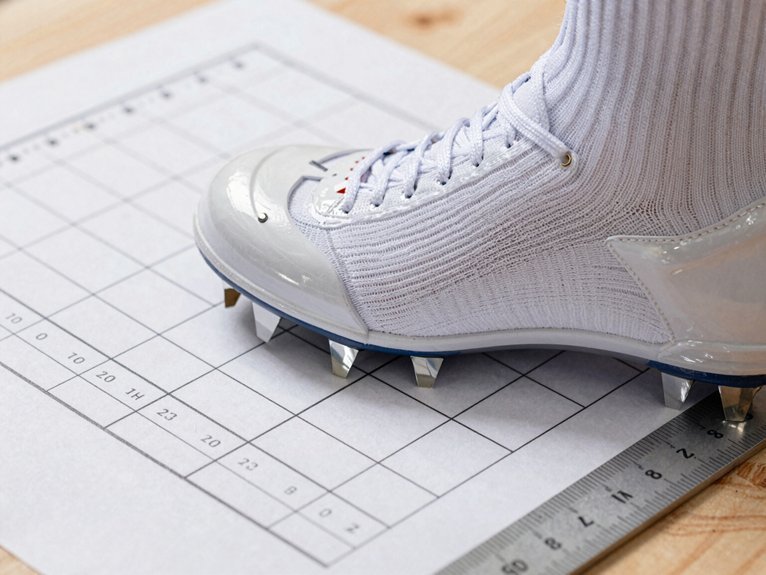
Getting the right fit starts with knowing your actual foot size, not just guessing from your last pair of sneakers. Start measuring feet by taping paper to a hard floor and standing with your weight evenly distributed. Mark your heel and longest toe, then measure the distance between them.
Repeat this process on your other foot. Most people have one foot that’s slightly larger, so use that measurement for your foot length.
For the most accurate end of day measurement, measure when your feet are at their largest. Wear your game socks too, since they affect fit.
If you’re between sizes, consider sizing up by half a size. Baseball cleats need a snug fit, but cramped toes will hurt your performance. A little extra room prevents blisters and keeps you comfortable through nine innings.
Recommended Products

Synthetic upper with molded details is light, breathable & super durable

Synthetic upper with molded details is light, breathable & super durable

Synthetic upper is light, breathable & super-durable
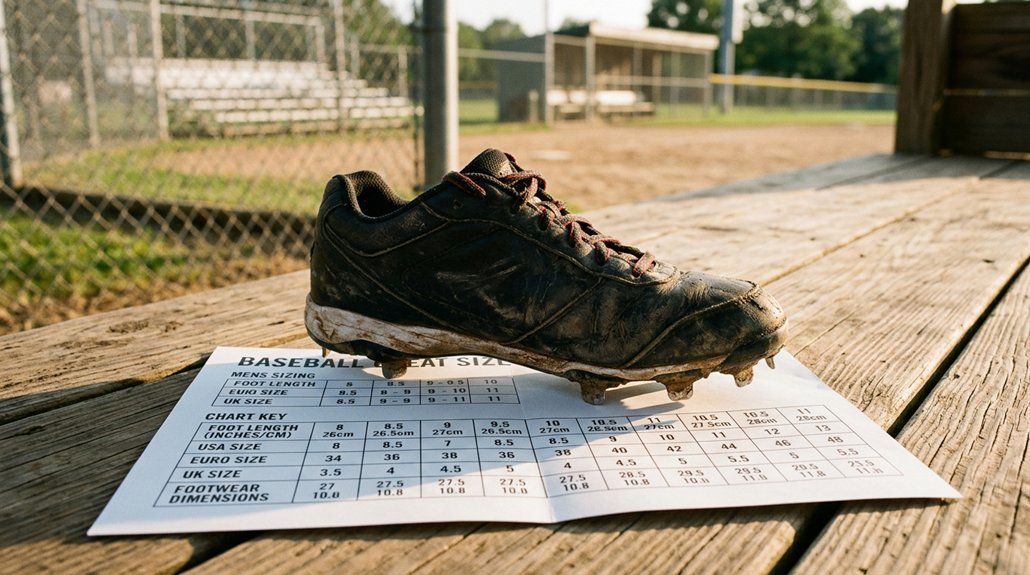
Read Baseball Cleat Size Charts: Nike, Adidas & New Balance
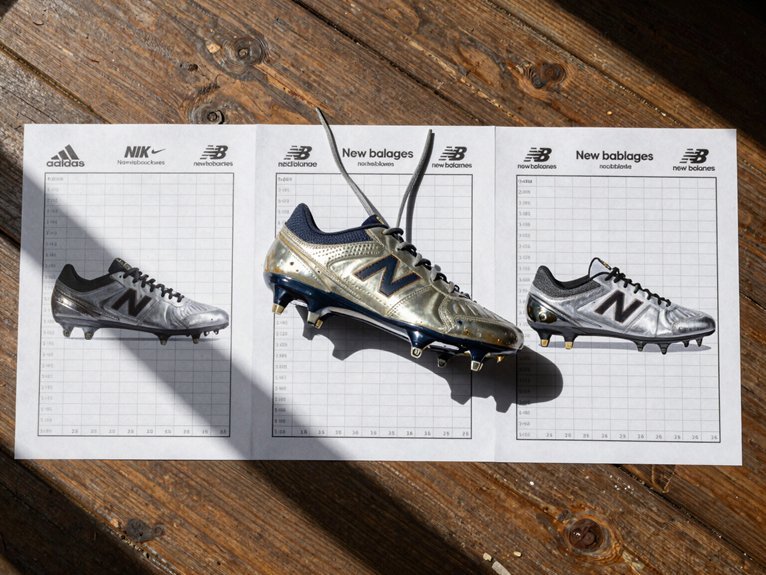
Why stress over confusing size charts when you’ve already got your foot measurements? You’ve done the hard part. Now let’s make those numbers work for you.
Nike Sizing Charts****
Nike often uses unisex sizing, so you’ll want to size down 1.5 if you’re converting from women’s to men’s. Check their notes carefully, as cleats fit differently than your everyday sneakers.
Adidas Sizing Charts
Adidas tends to run wide and true to length. If you’ve got broader feet, you’re in luck. Some models need extra width consideration, so don’t skip that detail.
New Balance Sizing Charts
New Balance offers dedicated width options, giving you control over how your cleats fit. Their sizing emphasizes snug comfort without squeezing.
Start from your regular shoe size, read each brand’s specific notes, and adjust based on whether you need tighter control or room to move.
Recommended Products

The foot measurement device Applicable to Man Woman and Youth,US Size,and accurate way to keep track of your child's foot size.
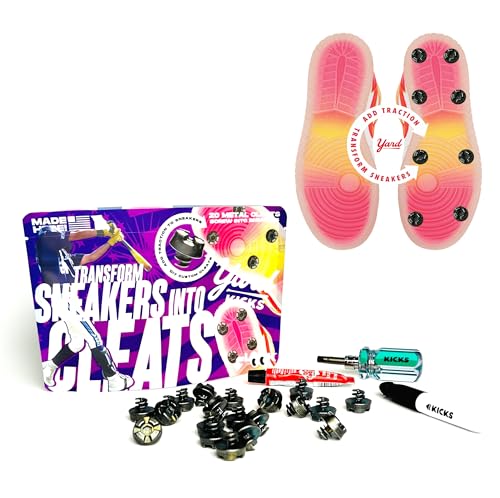
Metal Stud Cleats for customizing your sneakers: Maximize your traction with our 5th-gen studs. Ideal for natural and artificial surfaces, conquer the game with custom style. Dominate your league with high-performance kicks you design—great for athletes and as unique baseball gifts.

Keep Cleats Clean & Game Ready: Block dirt, mud, turf beads, and debris from getting inside your cleats so you can stay focused on performance.
Size Kids’ Baseball Cleats: Toddlers Through Big Kids
You’ll need to match your child’s age group to the right cleat size range, from toddler sizes 4.5T–10T up through big kids’ 3.5Y–7Y. Always check for a snug fit with about 1/4 inch of toe room and a locked-in heel so they don’t slip when running the bases.
Measure their feet every season, try cleats on with game socks, and you’ll set them up for comfortable, confident play.
Recommended Products

Built for speed, these kids' softball cleats feature a lightweight synthetic upper for durable comfort. Lightstrike cushioning enhances responsiveness, and the TPU cleated outsole delivers reliable traction for quick pivots and confident plays.
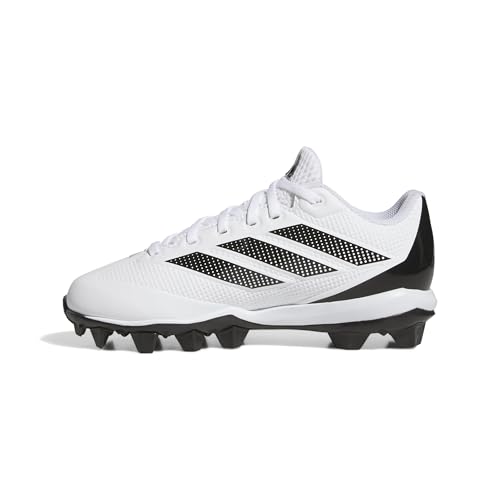
Lightweight synthetic uppers combine durability with easy movement for confident performance on the diamond. An adjustable lace closure ensures a secure, locked-in fit, and the cleated rubber outsole delivers reliable traction for quick pivots and explosive speed.
The durable synthetic upper provides stability and lasting comfort. A cleated rubber outsole delivers reliable grip on various surfaces, ensuring confident movement in every step.
Age-Based Sizing
Three distinct age brackets separate toddler, little kid, and big kid cleats, each built for where your young player stands in their growth and development.
Toddlers (ages 1–3): Finding Their Footing
Toddler cleats come in sizes 4.5T–10T and suit introductory sports like T-ball. These lightweight styles help tiny athletes explore movement without bulk.
Little Kids (ages 4–7): Building Agility
Sizes 10.5–3Y support increased running and lateral movement. You’ll notice more flexible soles here, perfect for playground energy.
Big Kids (ages 8–12): Competitive Ready
Sizes 3.5Y–7Y offer structured support and advanced traction for serious play.
Smart cleat sizing means measuring both feet and using the larger measurement. With kids baseball cleats, aim for snugger fits than everyday shoes, leaving just ¼ inch of toe room.
Check age-based sizing charts seasonally, since children’s measurements change quickly. Proper fit and room prevents blisters and supports growing feet.
Proper Fit Guidelines
How do you know when a cleat fits just right? You check for three key things: toe room, heel lock-in, and midfoot support.
For toddlers, you’ll want a snug fit with barely any extra space. Their tiny feet need stability for those first wobbly T-ball swings.
Little kids need more structure. Make sure you get solid heel lock-in and real midfoot support for all that running and side-to-side action.
Big kids playing competitively need the full package: locked-in heels, supported arches, and just enough wiggle room.
Here’s your quick checklist:
- Measure both feet, use the bigger one
- Leave about ¼ inch toe room
- Test the heel, it shouldn’t slip
- Factor in sock thickness
Growth considerations matter, but don’t size up too much. A loose cleat causes blisters and rolled ankles. When in doubt, snug wins.
Fix Width Issues Without Changing Length
What do you do when your cleats feel perfect in length but squeeze your feet sideways? Don’t size up. That just creates toe box gaps and sloppy fit. Instead, tackle width directly.
Find Your Width Match
Check if your brand offers wide options or different lasts. Some cleats run narrow by design, so you’ll need dedicated wide sizing, not extra length.
Look for K-leather or synthetic uppers that mold across your midfoot evenly. These materials adapt without stretching the shoe’s overall length.
Lacing Tricks
Try parallel or lock lacing techniques to tighten your midfoot without cramping your toes. This keeps your heel secure and your stride stable.
If the toe box pinches, switch models rather than forcing a longer size. Your feet will thank you when you’re rounding bases.
Recommended Products
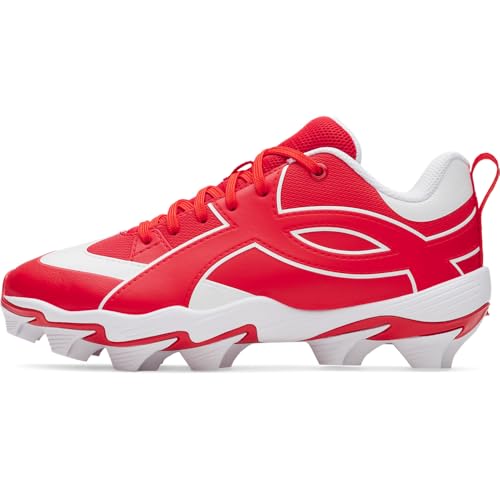
Synthetic upper with molded details is light, breathable & super durable

Synthetic upper with molded details is light, breathable & super durable

ONE CLEAT, EVERY SPORT: Versatile design works for soccer, baseball, softball, flag football, and more, so one comfortable pair carries your little athlete through every season, practice, and game day without buying a different shoe for each sport
Metal or Molded: How Cleat Type Changes Your Fit
Why settle for the wrong fit when your cleat type changes everything? Your choice between metal and molded cleats directly impacts how your shoes feel on your feet.
Cleat type isn’t just about traction—it’s the difference between a shoe that works with your foot and one that works against it.
Metal cleats give you a stiffer ride with longer-lasting studs. This rigidity makes the toe and midfoot less forgiving, so precise sizing matters more. That hard plate can turn a small sizing gap into real discomfort fast.
Molded cleats offer softer forefoot cushioning and more uniform traction. You’ll notice a snugger fit right out of the box, especially in youth lines where safety and lighter weight dominate design.
Switching between these cleat types? Watch for changes in forefoot width and heel lockdown. If you feel pressure or slippage, don’t hesitate to adjust your sizing up or down by a half size. Your perfect fit depends on matching the right cleat construction to your foot’s needs.
Recommended Products

Synthetic upper with molded details is light, breathable & super durable
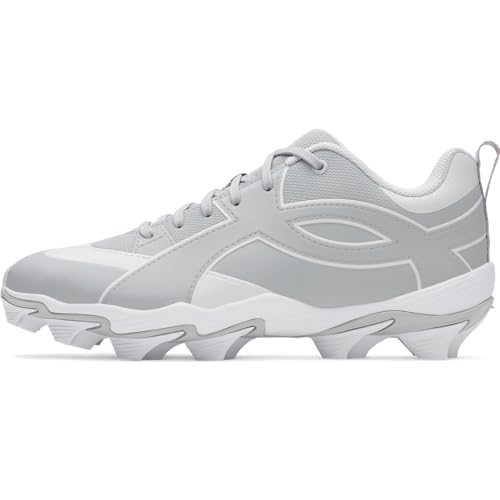
Synthetic upper with molded details is light, breathable & super durable

Nanotech Durability: Our Corexgrip nano-infused rubber outsole resists abrasion on rough fields, ensuring grip lasts seasons longer than standard plastic cleats.
Exchange or Return: What If Your Cleats Don’t Fit?
If your new cleats don’t fit quite right, don’t sweat it, you’ve got options that won’t cost you extra. SOCCER.COM backs every footwear purchase with free returns, free shipping, and a 30-Day Wear Test Guarantee that lets you exchange for a different size or style even after you’ve worn them.
You can swap up or down in size, try another brand, or switch cleat styles entirely until you find that snug, no-slip fit you need on the field.
Recommended Products

EASY TO CLEAN FOR BUSY PARENTS: Made with durable synthetic materials that wipe clean in seconds—perfect for muddy games, messy fields, and packed family schedules....
Free Return Policy
Finding the perfect cleat fit can feel like a guessing game, but you don’t have to stress about getting it wrong. SOCCER.COM backs you up with a free return policy that removes all the risk from sizing your cleats.
You get free shipping and free returns on every pair of footwear. Try your cleats during the 30-day wear test guarantee. If the fit feels off, you can exchange for a larger or smaller size without paying extra.
The policy also lets you swap to a different style entirely if your first pick doesn’t work out. Updated sizing information helps you make smarter choices before you buy, but you’ve got flexibility either way.
This exchange option means you’ll land on comfortable cleats that perform, not ones that pinch or slip.
Exchange Process Steps
When your baseball cleats arrive and something feels off, you don’t have to panic or settle for a bad fit. The exchange steps are straightforward and stress-free. You’re covered with options to swap your cleats if they miss the mark.
Initiate your exchange or return online through your order account. Print your free prepaid return label, box up your cleats in original condition, and drop them off. Receive your new size, style, or refund, plus access expert fit guidance if you need help dialing in the right size.
SOCCER.COM’s 30-Day Wear Test Guarantee lets you try your cleats at home without risk. If the fit isn’t right after wear, you can exchange for a larger or smaller size or try a different cleat style entirely. Getting the right fit has never been easier.