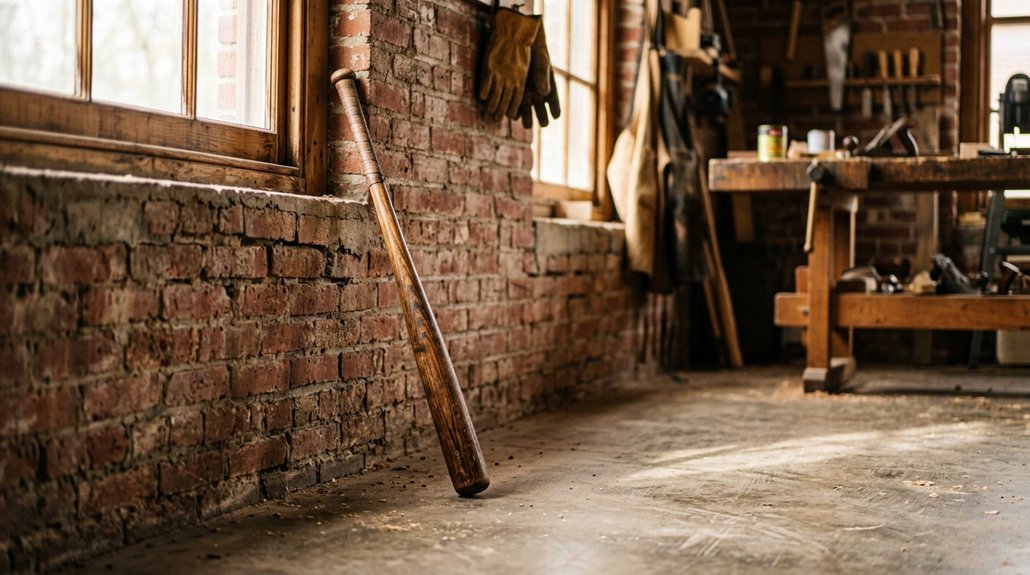
Your Louisville Slugger bat carries more than pine tar and promise; it holds a legacy forged where the Ohio River bends. You will find that legacy alive today in Louisville, Kentucky, where white ash logs from New York and Pennsylvania forests wait 40 to 50 years before becoming your swing.
The factory splits its work between speedy automated lines for retail buyers and careful handcrafting for pro players who demand exact specs. But here is what makes this story stick: something about those 25 years across the river in Indiana that shaped everything you know about this brand.
Where Louisville Slugger Bats Are Made Today
If you have ever wondered where those iconic wooden bats come from, you’ll find your answer right in Louisville, Kentucky.
The Louisville Slugger factory still operates in its hometown, now under Wilson Sporting Goods since the 2015 sale. You’ll watch craftspeople shape white ash into professional-grade bats using both handcrafting for pros and lathe production for retail.
The facility does more than manufacture. You can explore the Louisville Slugger Museum & Factory, where exhibits celebrate the brand’s heritage and you can even customize your own bat.
Before the 1990s, production moved to Clarksville, Indiana, churning out millions annually. Now manufacturing has returned home, and you benefit from that local pride with behind-the-scenes Premium Tours, collectibles, and the satisfaction of holding a bat born in baseball’s heartland.
Recommended Products

DESIGNED FOR ADULTS AND KIDS AGES 13 AND UP, the Player Preferred 271 Ash Wood Baseball Bat is constructed from the finest materials and is durable to keep up with your level of play

YOUTH BASEBALL BAT: The Heist aluminum youth bat is perfect for baseball players ages 8-12 to add some pop to their swing as they practice their hitting skills and develop their game
DESIGNED FOR ADULTS AND KIDS AGES 13 AND UP, the Player Preferred 271 Ash Wood Baseball Bat is constructed from the finest materials and is durable to keep up with your level of play
What You’ll See on a Factory Tour
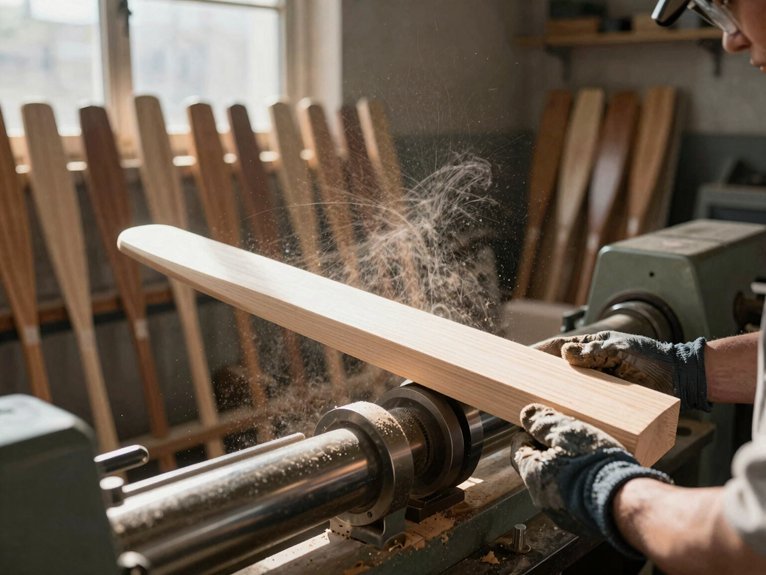
You’ll watch white ash logs transform into finished bats as craftsmen operate lathes and hand-shape pro models right before your eyes.
The tour also leads you past towering stacks of 40-50 year aged timber and into a fireproof vault with historical player specs, including Johnny Bench’s personal bat records.
Between the factory floor and the adjacent museum, you’ll grasp both how these bats are built and why Louisville Slugger became baseball’s most trusted name.
Bat Making Process
Curiosity draws you straight onto the factory floor, where you’ll witness two very different worlds of bat making side by side. Louisville Slugger keeps two production streams running: one for retail bats and another for pro-player handcrafting.
You’ll spot white ash logs stacked outside, weathering 40 to 50 years before they’re ready for transformation. That’s patience you can literally see.
Two Ways to Make a Bat:
- Retail bats: Lathe-produced for speed and consistency, perfect for everyday buyers who want reliable performance without the premium price tag.
- Pro bats: Handcrafted by skilled workers earning hourly wages, built to exact player specifications. You’ll tour a fireproof room housing specs and historic examples, including bats swung by legends like Johnny Bench.
Ask yourself: are you buying off-the-rack precision, or investing in custom craftsmanship?
Historical Artifacts Display
Which artifacts await you behind the glass? You’ll discover treasures that bring Louisville Slugger history to life during your factory tour.
At the Clarksville plant, you’ll step into a fireproof room where pro bats specifications line the walls. Johnny Bench’s personal bat file sits right there, showing exactly how craftsmen shaped his game-day weapon. You’re seeing decades of baseball heritage preserved in wood and paper.
The tour traces timber from forest to field, connecting those ash logs aging 40 to 50 years outside to finished masterpieces. You’ll watch skilled hands earn around $6.35 hourly while carving pro bats that major leaguers swing. It’s humbling stuff.
These artifacts aren’t dusty relics. They’re working blueprints, proving Louisville Slugger still blends old-school craftsmanship with modern production. Don’t rush this stop.
How Louisville Slugger Bats Are Made
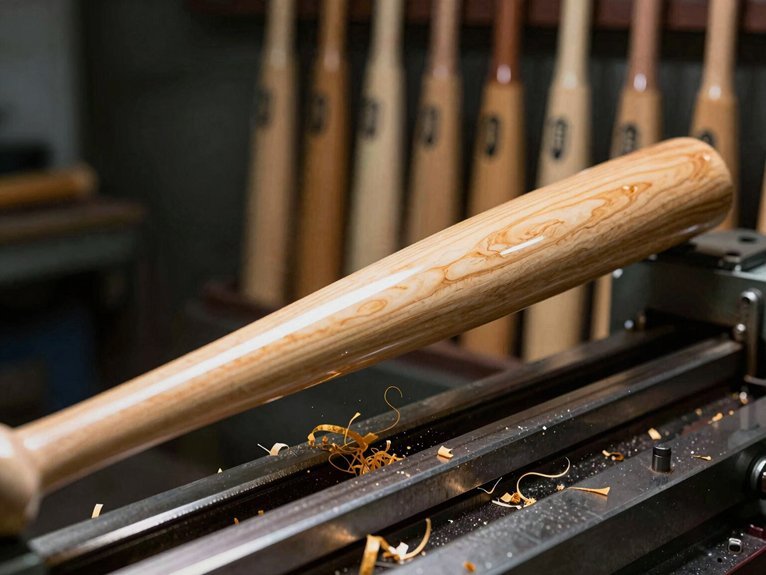
You’ll watch 40–50-year-old white ash logs from New York and Pennsylvania arrive at the Clarksville, Indiana plant, where they’re aged in open piles before two very different journeys begin. Retail bats spin through automated lathes for speed, while pro models go to skilled craftspeople hand-carving for precision at about $6.35 an hour, so you’re seeing factory efficiency meet old-world craftsmanship side by side.
Grab a tour pass and you’ll walk both production lines, stack photos against the ash piles, and learn which specs matter for your swing versus a major leaguer’s.
The Bat-Making Process
Ever wonder how a simple tree becomes the bat that cracks a game-winning home run? You’ll find the answer starts with white ash logs stacked outside the factory. These logs undergo aging for 40 to 50 years before they’re ready.
You can watch this process unfold at the Louisville Slugger Museum & Factory in Kentucky, where tours give you behind-the-scenes access. You’ll see timber grading and final assembly up close.
The production splits into two paths. For retail bats, you’ll find lathe-produced models made efficiently for everyday players. For pros, you’ll discover handcrafting by skilled workers earning hourly wages. These artisans shape each bat with precision you can’t machine-replicate.
Whether you’re buying your first bat or upgrading, understanding this process helps you appreciate what you’re swinging.
From Forest to Field
Where does a championship swing actually begin? You’ll find the answer in Clarksville, Indiana, where Louisville Slugger transforms raw timber into baseball history.
The Journey Starts with Trees
You’re looking at white ash logs that aged 40 to 50 years outside the facility. These aren’t rushed into production. They’re graded carefully, so only the best make the cut.
Two Paths, One Goal
You’ll notice two separate production streams. Machines crank out retail bats for everyday players. But families of skilled craftspeople handcraft pro bats for major leaguers. These workers earned about $6.35 hourly back in the day, pouring precision into every swing.
See It Yourself
You can tour the Clarksville plant and watch the process firsthand. You’ll walk past towering ash piles, witness the aging magic, and meet the hands behind the bats.
Can You Personalize Your Own Louisville Slugger Bat?
How exactly can you make a Louisville Slugger bat truly yours? You can personalize one right at the source in Louisville, Kentucky.
Your Custom Bat Options
When you visit the Hillerich & Bradsby facility, you’ll watch skilled craftsmen handcraft pro-player bats with techniques you won’t see on retail models. These artisans grade timber by hand and shape each piece with precision tools, not factory lathes.
You can order your own personalized bat with custom engraving, your name, and your preferred specifications. Choose your wood type, barrel size, and finish. The craftsmen will build it using the same lineage of methods that supply major leaguers.
Take the Factory Tour****
The Louisville Slugger Museum & Factory offers behind-the-scenes access. You’ll see timber aging, grading, and the separate production streams for retail and pro bats. It’s your chance to witness baseball history in motion.
Recommended Products

Louisville Slugger Genuine MIX Unfinished Natural Clear Baseball Bat - 34

Personalized Mini Bat: Unlimited Personalization Options - This custom mini baseball bat lets you create a unique keepsake - add your favorite Team Name, Meaningful Text, or a Team Logo to make it truly yours; This 18-inch mini baseball bat is perfect for beginners and hobby players; Click "Customize Now" to begin your journey of creating a custom baseball bat!

ONLY QUALITY WILL DO- Our mini baseball bat is made of top-quality hardwood. The best of unfinished natural wood, this wooden bat can be enjoyed as is, or decorated with any art medium. Use stain, paint or markers- and make sure you choose your team colors!
The Indiana Years: 25 Years of Cross-River Production
Why did Louisville Slugger look across the river?
Louisville Slugger looked across the river and found 25 years of cross-river production just minutes from home.
You’ll find the answer in Clarksville, Indiana, where 25 years of cross-river production took shape just minutes from Louisville.
This facility cranked out 3 million bats yearly, matching the Kentucky plant’s pace. You’d see white ash logs stacked outside aging 40 to 50 years, shipped by rail from New York and Pennsylvania. The site ran two production tracks: retail lathe-turned bats and pro-level handcrafting.
You could tour the plant and watch craftsmen work. They kept player specs in a fireproof room, including Johnny Bench’s details.
The cross-river setup gave you:
- More capacity without leaving the region
- Faster shipping to major markets
- Two distinct quality tiers
- Behind-the-scenes access
- Decades of stored wood stock
The Indiana years proved location flexibility strengthens a brand.
From German Woodshop to Baseball Icon
The Indiana plant closed its doors in 1995, but Louisville Slugger’s story started much earlier than those cross-river years. You’re stepping into a legacy that began in a small German woodshop, not a factory floor.
The Clarksville Era: Where Craft Met Science****
From 1970 to 1995, you’d find the heartbeat of American baseball across the Ohio River in Clarksville. Here, white ash logs aged 40 to 50 years arrived by rail from New York and Pennsylvania, stacked like sleeping giants waiting their turn.
The plant split production into two worlds: retail bats spun on lathes for fans like you, and handcrafted bats shaped by skilled workers earning $6.35 an hour. These artisans filed pro player specs in a fireproof room, ensuring every slugger got their perfect match.
You could tour the facility yourself, watching ash transform into history.
Recommended Products

CONSTRUCTED OF DURABLE ALX100 PERFORMANCE ALLOY CONSTRUCTION for a traditional 1-piece design that provides a stiffer feel on contact while maximizing power

DURABLE WOOD | Adirondack Ash crafts a quality, reliable bat that produces power
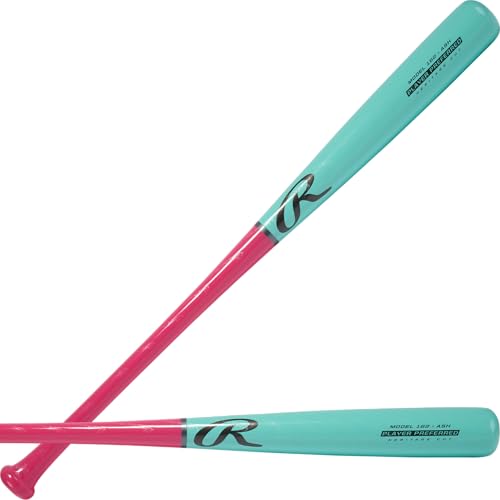
PLAYER PREFERRED COLLECTION | Part of Rawlings' Player Preferred wood bat collection, this bat is crafted for players seeking a dependable and high-performance wood bat from Rawlings’ trusted lineup.
What Changed After Wilson Acquired Louisville Slugger
When Wilson Sporting Goods stepped up to the plate in 2015, you might’ve wondered what would happen to the bats you’d grown up with. The Louisville Slugger acquisition brought real changes you’ll notice when shopping today.
The manufacturing split meant Wilson took over brand management and sponsorships while keeping production in Louisville. You still get authentic bats from the same factory, but Wilson handles the business side.
Here’s what shifted under Wilson’s ownership:
- The Louisville factory keeps making your bats, no outsourcing
- Wilson manages MLB deals and player sponsorships
- The museum and tours stayed open for your visits
- PowerBilt got sold off in 2016, focusing only on bats
- MLB sponsorship changed in 2025 when Marucci took over
You’re still swinging genuine Louisville Slugger quality, just with Wilson calling the business shots behind the scenes.