Most players don’t realize their bat’s lifespan is already determined before they take their first swing. Wood type, grain quality, and how you store it matter more than how hard you hit. A maple bat might last 300 hits or crack on your third swing, and you’ll never know which until it happens.
The good news: you control more than you think. Stick around, and you’ll learn exactly how to make your next bat outlast your teammates’.
How Many Swings Until Your Bat Dies? Real Benchmarks by Material
How long can you really expect your bat to hold up before it gives out on you? Your wood bat’s lifespan depends heavily on what it’s made of, and you’ll want to know your swing count benchmarks before you buy.
Maple vs. Birch vs. Ash: The Breakdown
Maple gives you 100–300+ hits, though it’s prone to sudden breaks. Birch stretches further to 150–400+ hits. Ash lands at 50–150 hits, the shortest lifespan of the three.
While wood bats don’t strictly need breaking in, you’ll boost durability with 50–200 practice swings. Watch for cracks, splintering, or that dull “thud” instead of a crisp crack.
Cold weather hurts your bat too, so store it properly and keep swinging smart.
Recommended Products

DESIGNED FOR ADULTS AND KIDS AGES 13 AND UP, the Big Stick Elite CS5 Maple Wood Baseball Bat is constructed from the finest materials and is durable to keep up with your level of play

RAWLINGS TRAINING FUNGO | Designed to give parents and coaches the perfect tool for game-like practice reps to sharpen a player's defensive skills

HIGH-DENSITY TORPEDO BARREL | Torpedo barrel contour tapers the end of the bat for a lighter swing weight while maximizing barrel size and sweet spot.
Why Some Bats Die in 50 Swings and Others Last 500
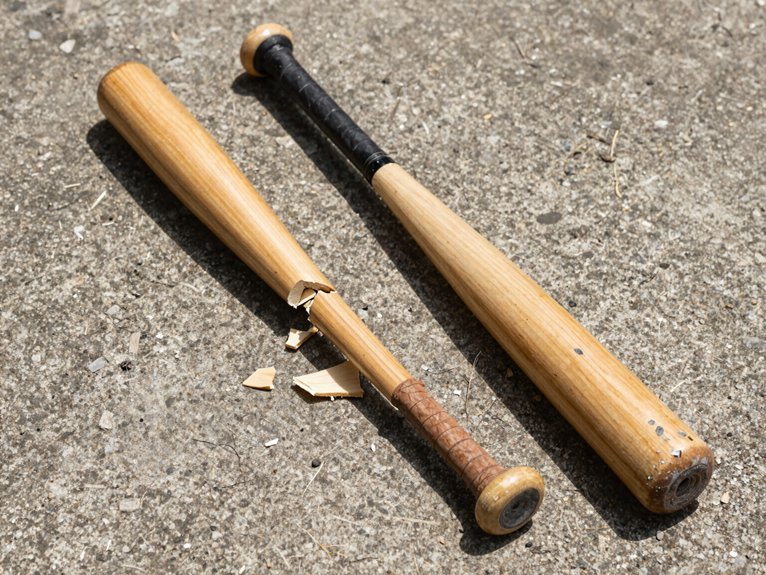
You’ll notice your bat’s lifespan swings wildly depending on how often you’re at the plate and what it’s made of. If you’re taking hundreds of practice cuts with dense rubber balls on cold mornings, even quality maple can crack in 50 swings.
A well-cared-for birch bat used sparingly in games might push past 500.
Understanding these two factors, swing frequency and material quality, helps you choose a bat that matches your habits and budget instead of learning the hard way.
Recommended Products
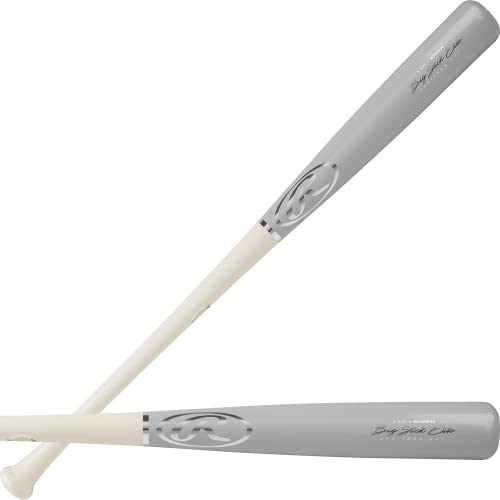
DESIGNED FOR ADULTS AND KIDS AGES 13 AND UP, the Big Stick Elite 110 Birch Wood Baseball Bat is constructed from the finest materials and is durable to keep up with your level of play

Louisville Slugger Player's Cut Birch Baseball Bat - 33"

13 Turn Model - Average Handle Thickness, Medium Taper and Thick + Long Barrel
Swing Frequency Impact
Every swing you take chips away at your bat’s future, and that frequency matters more than most players realize. Your swing frequency directly controls your wear rate, turning potential 500-hit lifespans into 50-hit disasters when you overdo it.
Higher swing frequency accelerates wear dramatically. Composite bats crack faster under dense balls and high-speed swings than with gentler use. Wood types vary widely: ash gives you 50–150 hits, birch 150–400+, and maple 100–300+, all depending on your swing intensity and how you balance practice versus games.
Denser practice balls and cage sessions pile on barrel stress, speeding damage. You can fight back. Rotate your bats, store them properly, and maintain them consistently. Two players with identical models get wildly different results based on these habits alone.
Material Quality Variance
Why does one bat crack after a few games while another keeps crushing homers for seasons? The answer lies in material quality variance, and you’re about to learn why some bats die in fifty swings while others last five hundred.
Wood Type Makes the Difference
Your bat’s durability starts with wood selection. Maple typically delivers 100–300+ hits, birch stretches to 150–400+, and ash manages just 50–150 under similar conditions. You’re getting what you pay for with denser woods.
Grain Quality Separates Winners from Wimps
Straight grain within three degrees boosts longevity 20–40% compared to poor-grain bats. You’ll spot quality by checking the grain lines: tighter and straighter means stronger.
Smart Buying Tips
- Inspect grain before purchasing
- Match wood type to your swing frequency
- Store properly to protect your investment
Choose wisely, and you’ll step up confident your bat won’t bail mid-season.
Warranty-Voiding Mistakes: Cold Swings, Cage Balls, and Cleat-Tapping
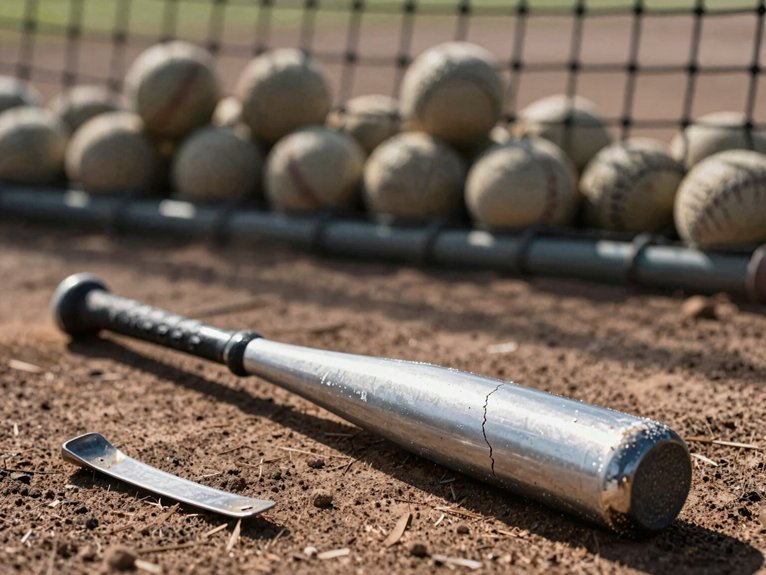
You mightn’t realize it, but a few common habits can quietly kill your warranty before you even step into a real game. Swinging cold, using cage balls, or tapping your cleats against the barrel all stress your bat in ways manufacturers won’t cover.
Stick to proper usage guidelines and you’ll protect both your investment and your coverage.
Recommended Products

Promotes proper grip, hand placement, hip rotation and swing path during and after contact is made. Provides instant feedback, allowing players to make proper adjustments to their hitting technique
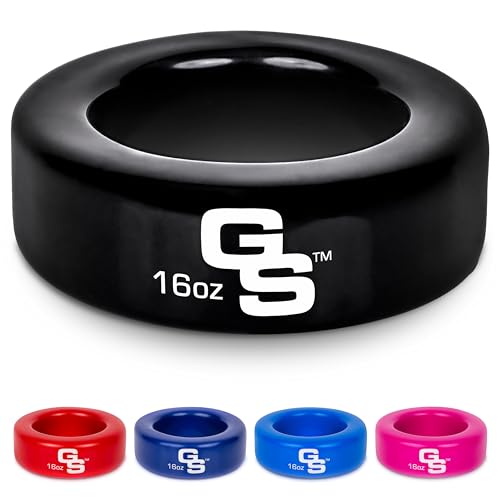
ESSENTIAL & AFFORDABLE: Ideal for coaches and players who only need one bat donut for daily drills, no need to spend extra on a set of two; Includes one standard size 16 oz bat weight that easily fits in any backpack or gear bag; Available in 5 colors

22" TRAINING BAT | Ideal for soft toss and tee work training
Voided Warranty Risks
How exactly do you turn a brand-new bat into an expensive paperweight? You swing it in cold weather without warming up properly. Cold swings increase stress on your bat’s material and raise cracking risks, which voids your warranty fast.
You also dent your barrel by using cage balls or dense practice balls. Manufacturers see that damage and deny your claim because denting from improper balls isn’t covered.
You tap your cleats against the barrel, thinking it’s harmless. That impact damages the surface and kills your warranty eligibility.
You share bats with teammates and overuse one stick for heavy practice. To protect your warranty, you reserve your game bat for live pitching, limit cage work, and keep those cleats away from the barrel.
Proper Usage Guidelines
Treat your bat right, and it’ll treat you right at the plate.
Following proper usage guidelines protects your investment and maximizes bat lifespan. Don’t swing in cold weather; freezing temperatures stress aluminum walls and raise denting or cracking risk. Avoid cage balls with your game bat, since these denser practice balls accelerate wear and damage and can void your warranty.
Use a separate practice bat for cages, tee work, and soft toss. This simple rotation distributes wear and extends overall lifespan. Never trust batting sleeves to preserve barrel integrity; they only shield the exterior and won’t substitute for smart habits.
Reserve your primary bat for live pitching and games. Rotate multiple bats when possible. These small choices prevent premature damage and keep you swinging strong season after season.
How Pros Make One Bat Last Two Seasons
Why do pros get two seasons out of one bat when yours barely lasts a summer? You’re about to learn their secrets for extending bat lifespan through smart rotation and careful monitoring.
Practice vs. Game Bats: The Separation Strategy
You need to split your arsenal. Keep a “gamer” bat reserved for live pitching, and designate a secondary bat for batting practice and cage work. This simple split cuts your primary bat’s usage in half immediately. You distribute wear across multiple bats instead of hammering one into early retirement.
Spotting Trouble Before It Spreads
You watch for signs of fatigue daily: hairline cracks, dents, loose end-caps, and dropping exit velocity. Catch these early, and you’ll squeeze two full seasons from a single stick. Ignore them, and you’re shopping mid-season.
Recommended Products

Made of solid and durable wood, providing stable support to hold the bats, baseball and softball (Please note it does not include the baseball bat)

Baseball bat organized and ball display shelf,holder 10 bats.

Organize Your Bats and Balls: organize your beloved baseballs, softballs, and bats with our wall mount baseball bat holder; Designed for baseball enthusiasts and collectors, this rack allows you to elegantly display up to 4 bats and 4 balls, turning them into the centerpiece of your decor, please note that baseballs or bats are not included
When to Replace Your Bat: Dead Spots, Cracks, and Performance Drops
Even the smartest rotation strategy can’t save a bat that’s truly finished. You’ll know it’s time when you spot cracks along the barrel or handle, or when the end cap starts rattling loose. These aren’t cosmetic issues, they’re warnings of structural failure waiting to happen mid-swing.
Watch for dead spots where the ball dies off the barrel, even if you can’t see damage. Performance decline often shows up first as weaker exit velocity or that disappointing “thud” instead of a crisp crack.
When sound and feel change noticeably, you’re approaching end-of-life. Don’t push your luck with splintering wood or creaking handles. Replace promptly for safety and reliable contact. Your hands, and your batting average, will thank you for knowing when to retire a trusted teammate.
Recommended Products

IMPROVE SWING MECHANICS – Whether you're a seasoned player or just starting, the Hurricane Category 4's durable swing arm hitting stick helps you refine your hitting technique, whether static tee practice or moving pitch simulation.

What You Will Receive: the package comes with 1 piece of baseball swing trainer, the novelty and practical batting practice equipment is aimed at helping players improve their swing and batting skills, such as soft toss drills, one hand hitting drills

Improve Your Swing Mechanics Instantly – Train like a pro with the Impact Swing Bat, a powerful baseball batting trainer designed to develop proper mechanics, cleaner contact, and more consistent swings every session.
Choosing Your Next Bat: Matching Material to Playing Schedule
So you’ve retired your old bat and you’re staring at a wall of options, wondering where to start. Your playing schedule should drive your material choice, not just price or brand.
Match Your Material to Your Calendar
Play daily or year-round? Composite gives you about one year of heavy use, but you’ll need to factor in break-in time and watch for wear from practice balls.
Wood demands more attention to your schedule. Maple handles 100 to 300+ hits, birch stretches to 150 to 400+, while ash taps out at 50 to 150. If you’re hitting cages weekly, expect shorter lifespan from any material.
Smart Buying Moves
Rotate two or three bats to extend their life. Save your gamer for games only. Break in wood properly, 50 to 200 swings depending on type, and you’ll settle both performance and durability before it counts.
Recommended Products

DESIGNED FOR ADULT BASEBALL PLAYERS | Ages 14+

DESIGNED FOR ADULTS AND KIDS AGES 13 AND UP, the Big Stick Elite 243 Maple Wood Baseball Bat is constructed from the finest materials and is durable to keep up with your level of play
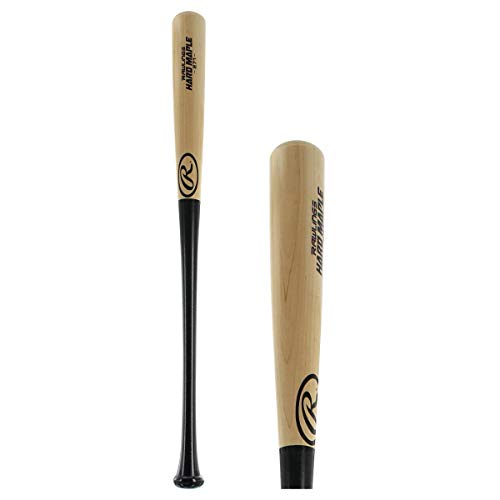
DESIGNED FOR ADULT BASEBALL PLAYERS | Ages 14+