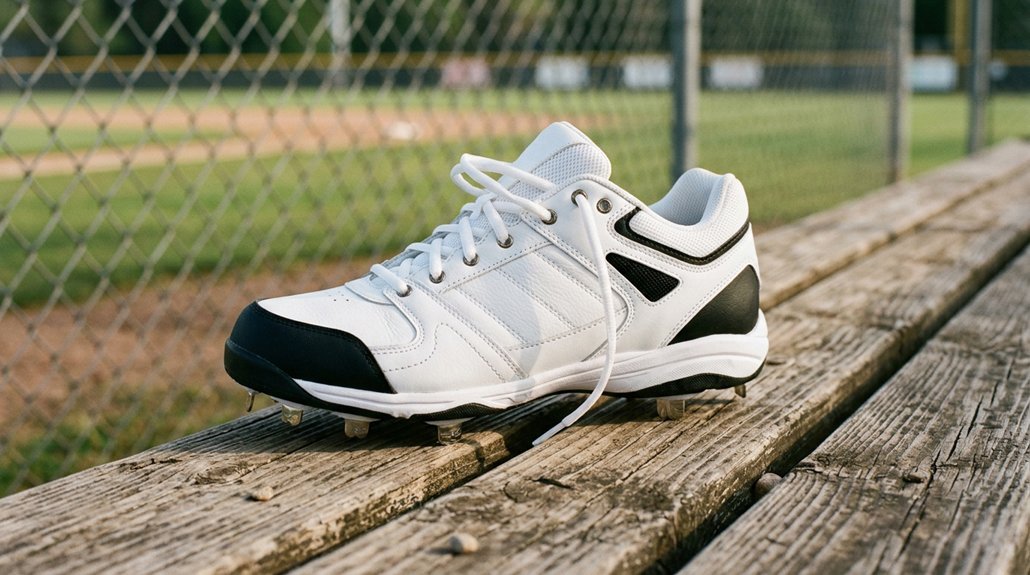
You want cleats that feel like an extension of your feet when you’re stealing second or charging a grounder. A snug heel keeps you stable during quick cuts, while that quarter-inch of toe room prevents black nails.
You’ll need to match your socks, position, and league rules before you buy. But here’s the catch: most players get one critical detail wrong at the store, and it costs them games. Stick around, and you’ll find out what separates a good fit from a great one.
Get the Fit Right: Snug Heel and Quarter-Inch Toe Room
How do you know when a baseball cleat fits just right? You feel a snug heel that locks in place without rubbing, plus about a quarter-inch of toe room up front. This combo keeps you stable during quick cuts and explosive sprints.
Check the toe box next. You need wiggle room for your toes, not a squeeze that slows you down. A proper snug fit means zero heel slip when you jog or pivot.
Always try baseball cleats on with the socks you’ll wear in games. Thin dress socks won’t cut it here.
Expect a short break-in period as the materials mold to your feet. During those first wears, monitor any hot spots before they become blisters.
Get this fit locked in, and you’ll maximize traction without sacrificing comfort.
Recommended Products

VERSATILE TURF SHOES DESIGNED FOR ANY FIELD: These turf baseball shoes are perfect for synthetic turf, grass, and dirt fields. The baseball turf shoes tread gives athletes max grip and explosive potential.
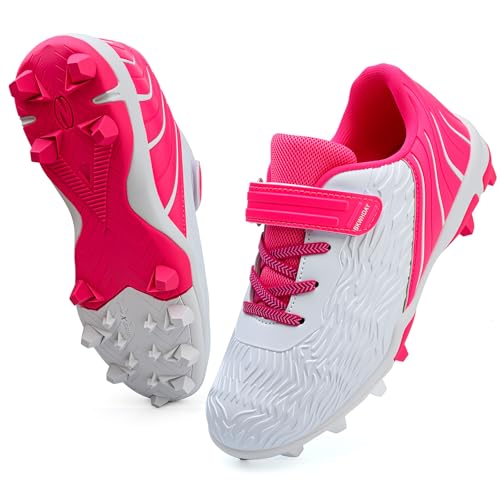
Girls Softball Cleats: Designed for aspiring young female athletes, these versatile youth cleats offer reliable performance for both softball and baseball. Ideal for girl、kids、youth、boys、toddler.

TPU sole: The lightweight sole, combined with well-placed rubber cleats, is suitable for playing on hard grass. The injection-molded sole and rubber cleats enhance grip and stability.
Start With Your Regular Shoe Size
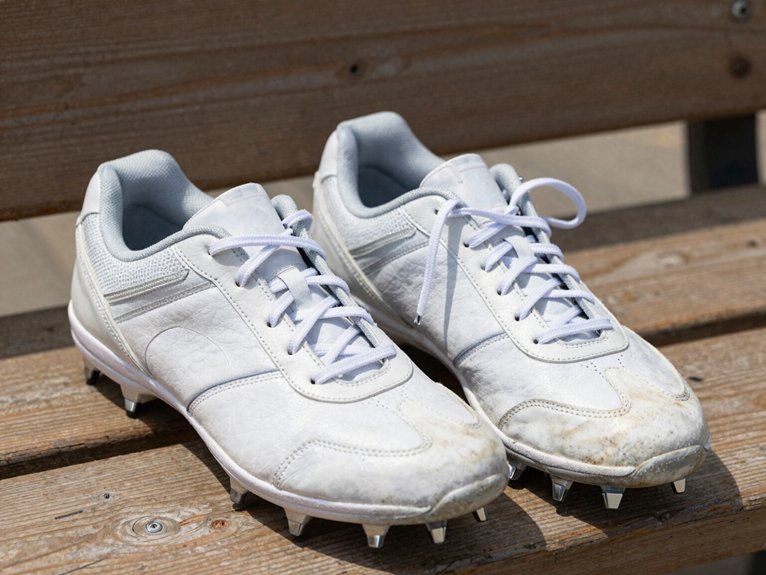
Once you’ve nailed that snug heel and toe room, finding your starting point for size is your next step. For baseball cleats sizing, you’ll want to begin with your regular shoe size. Most cleat fit guidelines suggest this gives you a solid baseline.
Don’t skip checking brand-specific sizing, though. Some brands run large, others small, and reviews will clue you in. Use True Fit or similar size recommendations on product pages for extra confidence. You want that initial break-in fit slightly snug because cleat looseness happens naturally.
If you’re between sizes, grab the tighter option. Cleats stretch a bit, and that snug fit maintains your performance fit through the season. Follow these simple steps, and you’ll step up to the plate ready to perform.
Recommended Products

Synthetic upper with molded details is light, breathable & super durable
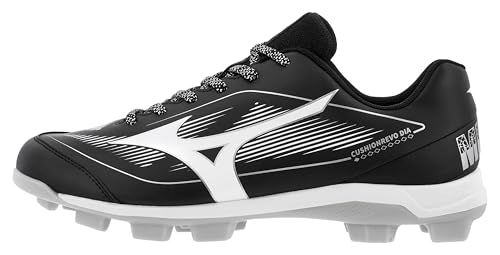
TPU Outsole: Great traction designed for versatility and multi-sport use.
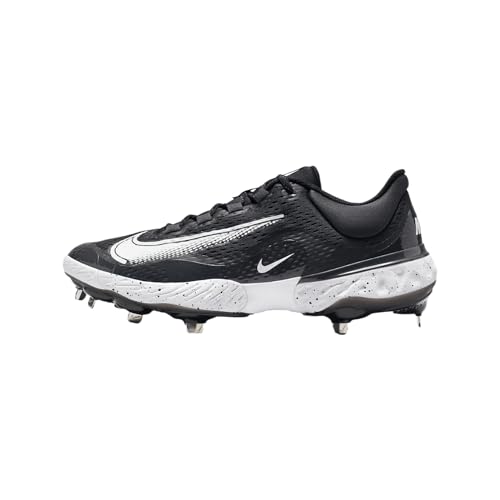
Nike Alpha Huarache Elite 4 Low NRG baseball cleats in Black/Dark Smoke Grey/White (style DJ6521-003), size 15, an NRG molded baseball cleat.
Wear Baseball Socks and Size Down If You’re Between Sizes
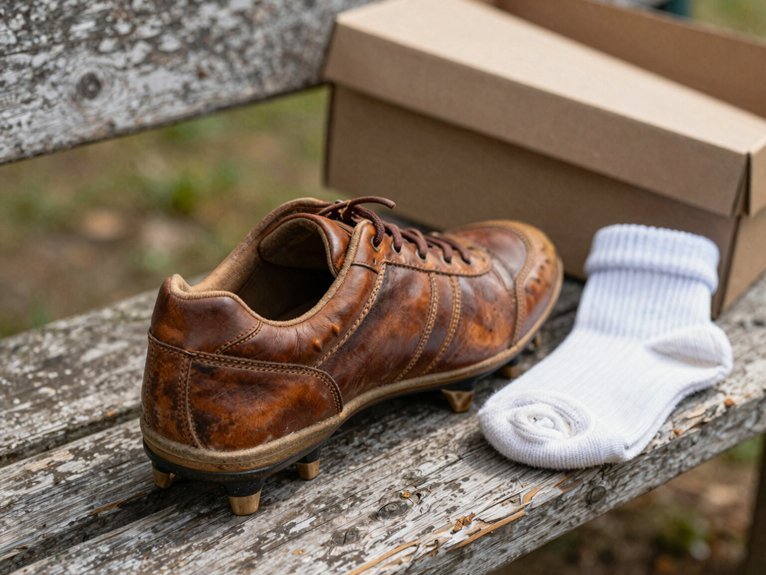
Slip on your baseball socks before you even think about lacing up those cleats. You’ll want that extra thickness accounted for, so wear baseball socks during your fitting to avoid surprises later. If you’re between sizes, size down rather than up. Cleats loosen over time, and a snug fit now prevents cleat looseness down the road.
Aim for about a quarter-inch of toe space in the toe box. This gives you room to move without sliding during quick cuts. Keep the heel snug to stop slippage when you sprint.
Recommended Products

Synthetic upper with molded details is light, breathable & super durable

The Boombah Viper Pro is designed for the diamond with an upper made from a durable synthetic material that is easy to clean, a full-length performance midsole for superior comfort, and an aggressive 8-cleat pattern for the perfect balance between weight and traction.
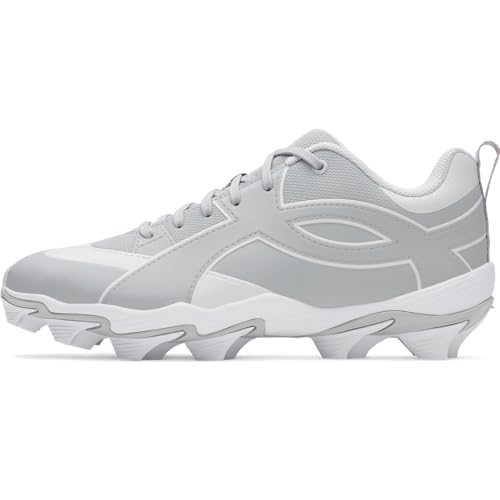
Synthetic upper with molded details is light, breathable & super durable
Pick Low, Mid, or High-Top for Your Position
Now that you’ve locked in your size, it’s time to think about how high you want your cleats to ride. Your position dictates whether you prioritize speed and agility or ankle stability.
- Low-tops give you that lightweight edge for explosive speed and agility, perfect for infielders and outfielders darting across the field.
- Mid-tops balance flexibility with moderate ankle stability, suiting versatile players who want the best of both worlds.
- High-tops lock in maximum ankle support, so catchers squatting for nine innings stay protected and stable.
- Pitchers should grab low-tops to avoid ankle rubbing and nail precise footwork during every delivery.
Always check fit and toe space with your baseball socks on, and verify league rules before buying. Your players age/level also shapes this position-specific choice.
Recommended Products

Package Includes: our baseball belt and sock combo set comes with 1 pair of softball socks and 1 piece of adjustable softball belt that can be easily adjusted to fit most waist circumferences; There will be a certain difference in the color of the belt and socks due to the different display screens, if you mind, please don't buy it

Material: Baseball socks are made of nylon that can maintain elasticity, prevent holes and improve toughness, perfectly balance elasticity and height in the calf area; Youth softball socks have sweat-wicking fabric for comfortable wearing

Functional Combo: The package contains 1 pair of baseball socks and 1 sports elastic belt of the same color. It can be used for sports such as baseball, softball, football, lacrosse, rugby and other sports. It is a perfect gift for anyone who loves sports.
Confirm League Rules and Return Policies
Why risk getting benched before you even step on the field? Check your league rules first. Many leagues ban metal spikes or restrict certain cleat types, so you’ll want footwear guidance before you buy. Turf vs grass surfaces matter too. Some fields only allow molded plastic or rubber.
Get coach or official clearance if you’re unsure. This beats facing disqualification risk mid-game.
Don’t forget return policies. Even with perfect fit and sizing, baseball footwear might feel wrong after practice. Find stores with a solid exchange policy so you can swap if needed. Keep your receipt and know the timeline. Smart shopping means checking rules and returns before you commit. Your feet, and your playing time, will thank you.
Recommended Products

Performance Powerhouse Fabric: Want to dominate the game and show off your skills on the field? Our GridIronGrip Cleat Covers are the perfect match for you! With our X-Bomb fabric made of 92% Polyester and 8% Spandex, you'll get lightweight yet durable support game after game to showcase your power and speed like never before. So, what are you waiting for?

Performance Powerhouse Fabric: Want to dominate the game and show off your skills on the field? Our GridIronGrip Cleat Covers are the perfect match for you! With our X-Bomb fabric made of 92% Polyester and 8% Spandex, you'll get lightweight yet durable support game after game to showcase your power and speed like never before. So, what are you waiting for?

Performance Powerhouse Fabric: Want to dominate the game and show off your skills on the field? Our GridIronGrip Cleat Covers are the perfect match for you! With our X-Bomb fabric made of 92% Polyester and 8% Spandex, you'll get lightweight yet durable support game after game to showcase your power and speed like never before. So, what are you waiting for?