You step into the batter’s box, and everything starts with your hands. Get the grip wrong, and you’re fighting yourself before the pitch even arrives. But get those seven steps right, and you’ll improve your bat speed, barrel control, and contact consistency.
The door-knocking knuckle alignment isn’t just old coach talk; it’s the foundation that keeps your wrists loose and your swing path true. Most players grip too tight, white-knuckling the bat like they’re hanging off a cliff. Relax. Your hands should hold the bat like a bird, firm enough that it won’t fly away, gentle enough that you don’t crush it.
Whether you’re swinging wood, metal, or composite, each material demands small adjustments to your grip pressure and hand positioning. The best hitters rehearse these details until they become automatic, because when the game speeds up, you won’t have time to think. You’ll just react, and your grip will either support you or sabotage you.
So which mistakes are hiding in your setup right now?
Start With the Door-Knocking Knuckle Alignment
Why do so many hitters struggle with inconsistent contact? Often, you’re gripping the bat wrong from the start. Let’s fix that.
Start With the Door-Knocking Knuckle Alignment
Line up your knocking knuckles, top hand over bottom, like you’re knocking on a door. This knuckle alignment keeps your wrists loose and your barrel on plane.
Align your knocking knuckles like you’re knocking on a door—this keeps wrists loose and the barrel on plane through the zone.
Keep your arms inside your frame. You’re building swing stability from the ground up, not reaching across your body.
Watch your grip tension. Hold the bat relaxed yet firm, like you’re shaking hands with a teammate. Squeeze too hard and you kill bat speed. Too soft and the bat wobbles.
Use this alignment every setup. It prevents shoulder dipping and creates a repeatable path to the ball. You’ll feel the difference immediately.
Recommended Products

Material Type: Blend

CHOKE UP WITH EASE: The Grip-N-Rip Knob Stacker Choke-Up Ring allows you to choke up on your baseball, tee ball, or softball bat for better control and comfort during your swing.

TACKIEST, LONGEST LASTING BAT GRIP IN BASEBALL: Our proprietary Dri-Tack polymer bat grip is unlike any other in baseball. It offers superior grip in dry or wet conditions and it lasts longer than any other grip out there. Our grip maintains it’s tackiness over time and won’t “flake” or wear out over time.
Fix These 5 Grip Mistakes That Slow Your Swing
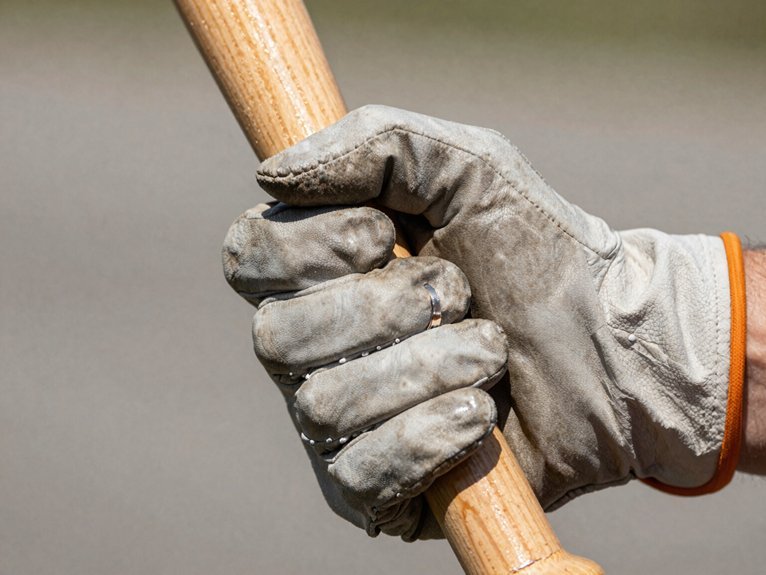
You’re gripping the bat too tight if you see white knuckles, and that tension kills your bat speed before you even start your swing. Let your bottom hand set the direction, but don’t let it dominate, or you’ll throw off the natural sequence that your top hand finishes.
Keep those door-knocking knuckles lined up, because misalignment here leads to a looping barrel and weak contact.
Recommended Products

ONE HAND TRAINING BAT - The one hand trainer is great to use as a warm up before any batting practice; starting off with one hand drills that improve both the bottom hand and top hand of a swing is crucial to improve any swing.

BUILDS HAND–EYE COORDINATION FAST: Designed with a compact 18-inch length and training-style barrel to improve contact accuracy, bat control, and swing mechanics. Perfect for youth players developing precision hitting skills.

22" TRAINING BAT | Ideal for soft toss and tee work training
White Knuckle Tension
Ever wonder why your swing feels sluggish even when you’re giving it everything you’ve got? You’re probably gripping the bat too tight. White-knuckle tension drains your bat speed fast.
When you squeeze too hard, your fingers and knuckles turn pale. Your forearms tighten up, and suddenly that smooth, whippy motion you’re after disappears. You’re muscling the bat instead of letting it work for you.
Here’s what to watch for: squeezing the grip like you’re hanging off a cliff, curling your wrists too much, or locking your elbows straight. These habits kill your natural swing plane and shrink your barrel time through the zone.
Fix it by loosening up. Keep your grip relaxed but firm, like you’re shaking hands with a teammate. Think “knuckles aligned” and let the bat do the heavy lifting.
Bottom Hand Dominance
Bottom hand dominance can make or break your swing before the bat even moves. Your bottom hand grip sets the direction, so mistakes here send everything off track.
Check your door-knocking knuckles. They should line up properly to keep your hands connected early and stop your shoulder from dipping. If that bottom pinky loosens, you lose barrel control fast.
Watch your grip tension too. Squeeze too tight and you stiffen up; too loose and the bat wobbles. Aim for relaxed but firm. This keeps your swing plane consistent and energy transfers smoothly through contact.
Fixing these bottom-hand issues improves your bat path and boosts solid contact, whether you use a box or normal grip. Nail this setup, and you’re already ahead of the pitch.
Misaligned Knuckle Setup
When your knuckles don’t line up, your swing pays the price. Misaligned knuckles force your wrists to compensate, creating an inconsistent path and slower bat speed. You might align your top-hand knuckles too early with your bottom hand, which closes your grip and restricts rotation.
Check Your Grip Alignment****
Ensure your door-knocking knuckles form a straight line grip along the bat handle. This promotes proper sequencing from your bottom hand to your top hand. Without this alignment, your shoulders dip and your swing loops as your hands struggle to drive the barrel to contact.
Quick Fix for Every Drill
Visualize your knuckles forming a single, vertical line before loading. Check this grip alignment each time you step in. A quick glance at your hands saves you from fighting your own mechanics at the plate.
Dial In Your Grip Pressure: Firm But Not Tight
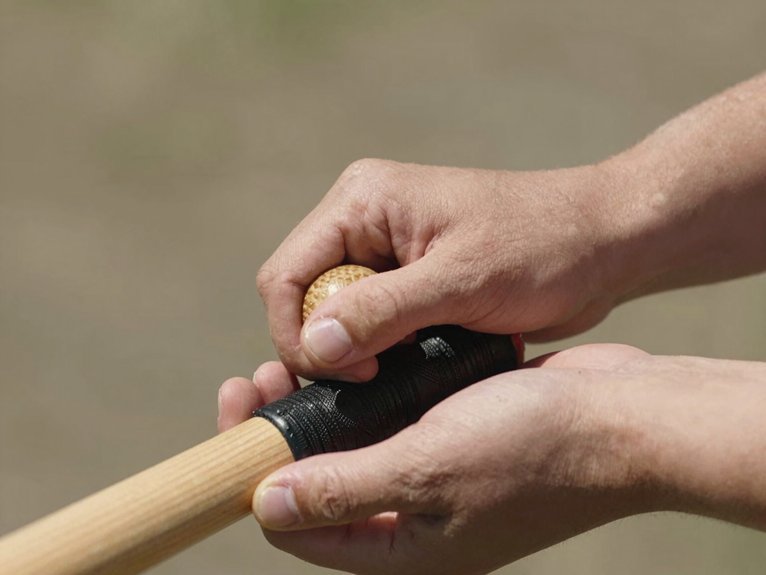
The grip you use can make or break your swing, and finding that sweet spot between firm and tight is where the magic happens. You’ll feel the difference when your grip pressure supports the bat without turning your knuckles white. Keep your bat grip firm enough to control the barrel, but loose enough to whip it through the zone with speed and precision.
Avoid hand tightening during pressure moments. You’ll only slow yourself down. Think of holding a bird, strong enough it won’t fly away but gentle enough you don’t crush it. When your grip stays relaxed, the bat travels faster and your timing stays pure.
Build supporting strength through forearm work, deadlifts, and hand grippers. Stronger hands maintain perfect pressure naturally, without forcing mechanics. Get this balance right and you’ll swing with more confidence, speed, and control at the plate.
Recommended Products

Promotes proper grip, hand placement, hip rotation and swing path during and after contact is made. Provides instant feedback, allowing players to make proper adjustments to their hitting technique

Developed for coaches, hitting instructors or players wanting to incorporate one-handed hitting drills into their training
Stack Your Hands at the Optimal Height and Width
Once you’ve got your grip pressure locked in, it’s time to get your hands positioned where they can do real damage. You’ll start by forming the Box Grip, aligning your knocking knuckles across both hands for a unified, powerful base.
Lock in your grip pressure, then position your hands to do real damage at the plate.
Now check your grip height. Keep your hands at the same vertical level on the handle, with your arms staying inside your body frame. This setup prevents early muscle activation and keeps your swing path clean through the zone.
Watch your hand separation too. You don’t want your hands squeezed together or stretched apart like you’re doing the splits. Find that uniform width that lets your bottom hand direct the bat while your top hand drives through contact.
Get this height and width combo right, and you’ve built a rock-solid foundation for every swing.
Recommended Products
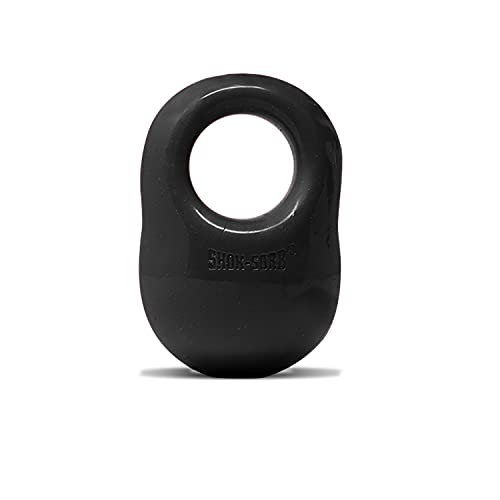
ENHANCES GRIP: Anti-slip grooves engineered to improve grip.
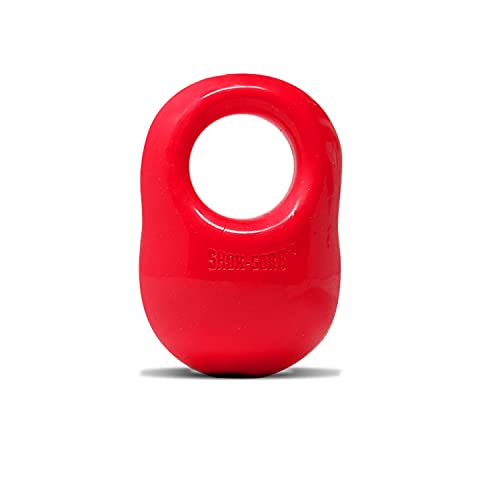
ENHANCES GRIP: Anti-slip grooves engineered to improve grip.

ENHANCES GRIP: Anti-slip grooves engineered to improve grip.
Angle Your Bat for Maximum Barrel Time in the Zone
Ever wonder why some hitters seem to barrel up everything while others flail at pitches they should crush? Your bat angle holds the answer. A proper grip lets you control that angle from stance to contact.
When you set up with your bat angle near perpendicular to the ground, you create a flatter path through the zone. This extends your barrel time, giving you more margin for error on timing. The door-knocking grip naturally supports this position, while the box grip offers another stable foundation.
Keep your knuckles aligned as a consistent cue. This simple checkpoint smooths your swing plane and keeps the barrel in the zone longer. Experiment with small adjustments until you find your sweet spot. You’ll feel the difference when everything clicks, and solid contact becomes your norm.
Recommended Products

1. 75mm - Consistent with stock grips on most alloy and composite bats
Sport Type: Baseball

1. 00mm - Advanced feel/control on alloy and composite bats; suitable for wood bats
Adjust Your Grip for Wood, Metal, or Composite Bats
You’ll need to tweak your grip depending on whether you’re swinging wood, aluminum, or composite, since each material brings its own feel and handle thickness to the plate.
Wood bats usually have slimmer handles that demand firmer, more exact hand placement, while metal and composite options often play better with a slightly adjusted, looser hold that keeps the barrel where it belongs.
Don’t forget to check your bat’s certification stamp before you commit to any changes, because league rules can make or break your setup.
Recommended Products

CHOKE UP WITH EASE: The Grip-N-Rip Knob Stacker Choke-Up Ring allows you to choke up on your baseball, tee ball, or softball bat for better control and comfort during your swing.
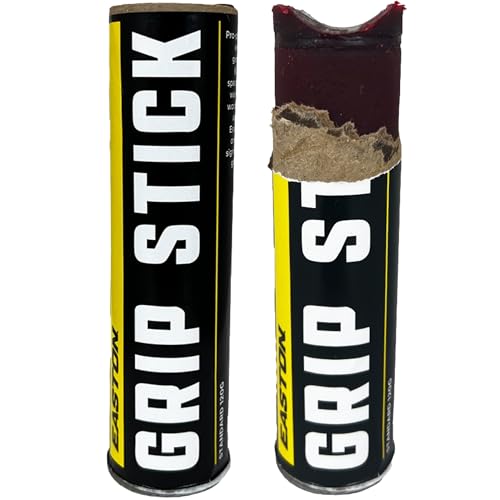
QUICK APPLICATION | Tear-away tube design for quick, clean application

1.80MM FLOW TACK DESIGN | Ideal thickness for enhanced comfort and control at the plate.
Material-Specific Grip Adjustments
Why does the same grip feel different across bats? Grip feel shifts with every bat material you pick up, so you’ve got to recognize what changes and adjust accordingly.
Handle thickness plays a huge role here. Wood bats feature slimmer handles than metal or composite options, which means your fingers wrap differently and your knuckles align in modified positions. You’ll notice this immediately when switching between practice sessions.
Wood requires a firmer yet relaxed grip. You’re controlling a tighter taper and need consistent barrel command without squeezing tight. Metal and composite bats distribute weight differently, often forgiving looser holds while still demanding proper hand placement. When you move between materials, reposition your hands slightly to maintain identical swing mechanics. Remember USABat standards affect league legality, so check certification before finalizing your grip setup for game day.
Handle Thickness Considerations
How exactly does handle thickness change your grip from one bat to another? Handle thickness directly impacts your control, comfort, and swing consistency across different bat types. When you switch between wood and metal/composite bats, you’ll notice dramatic differences in how the bat feels in your hands.
Wood vs. metal/composite comparisons reveal four emotional truths about finding your perfect grip:
- Fear melts away when you discover wood’s thinner handle demands intentional, confident pressure.
- Relief washes over you as metal’s thicker handle forgives slightly looser holds.
- Pride swells when you master the delicate balance wood requires.
- Excitement builds realizing composite technology lets you adjust grip pressure mid-swing.
Your grip must align with each bat’s unique balance. Wood punishes lazy technique, while metal and composite reward adaptability. Test different handle thicknesses during practice to build muscle memory that transfers between bat types.
Certification Standards Impact
Before you adjust your grip for a new bat, check that it’s certified for your league. Certification requirements like USABat affect how a bat feels and whether it’s even legal to swing. You don’t want to perfect your grip on a bat you can’t use in games.
Verifying compliance protects you from penalties and wasted practice time. Once cleared, note how certification standards often signal different materials. Wood bats bring thinner handles and unique balance points, so your hands may need to shift slightly from where they’d rest on metal or composite models.
Keep your door-knocking grip angle nearly perpendicular to the ground regardless of material. This consistency helps you switch between bats without rebuilding your swing from scratch. Test your grip adjustments during BP to confirm everything feels locked in before game day.
Strengthen Your Grip Without Losing Bat Speed
Where exactly does raw power meet smooth swing mechanics? Right in your hands. You need grip strength that fuels bat speed, not fights it. Pros squeeze 150 to 200 pounds of force, but they never white-knuckle the bat. You shouldn’t either.
Tension kills whip. You want relaxed yet firm grip techniques that let the barrel fly through the zone. Here’s how you build it:
- Crush deadlifts to forge forearm power that lasts nine innings
- Hammer wrist curls for snap and snap-through speed
- Squeeze a hand grip strengthener during TV time, no excuses
- Train grip work into practice so speed stays hot across every drill
Strength supports your swing plane. It never steals fluidity. You’re building a foundation, not a straitjacket. Grip smart, swing free.
Recommended Products

Enhance your ability at the plate with the SSK One-Handed Baseball Training Bat. Available in a 22", 24" and 26" design, this SSK One Handed training bat builds and upholds top and bottom hand strength.

ULTRA LIGHTWEIGHT: This lightweight design allows for more swings and less fatigue

Precision Swing Training: Designed for practicing batting swings, it helps develop proper techniques. Though half the length of a full-sized bat, it maintains the same swing feel and balance, making it ideal for improving swing accuracy and power