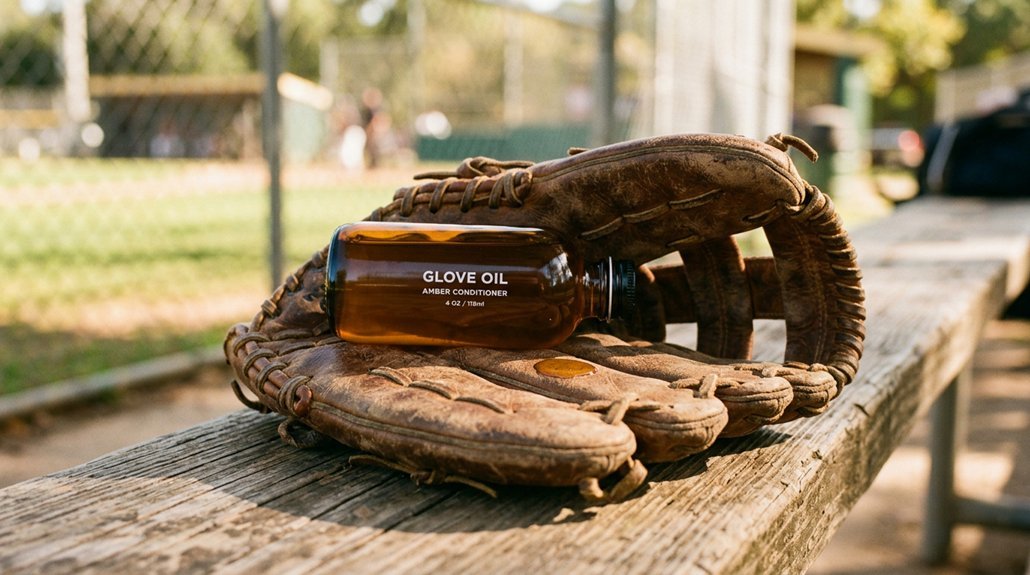
You’ve probably spent more time worrying about your glove’s leather than your own skin, and honestly, that’s not as crazy as it sounds. The right oil can make or break your season, turning a stiff new mitt into a pocket that catches everything or ruining a $300 investment with one sloppy application.
In 2026, you’ve got more choices than ever: synthetic blends that promise overnight softness, old-school neatsfoot formulas your grandpa swore by, and clean-label natural options that won’t stink up your bag. But here’s the catch. Not every oil plays nice with every leather type, and what works for a budget steerhide glove might destroy a premium Japanese kip hide.
You need to know which products actually deliver, how to match them to your specific glove, and exactly when to stop before you oversaturate the leather. Stick around, and you’ll walk away with a clear game plan for keeping your glove game-ready from opening day through the playoffs.
Oil or Conditioner? Choose Based on Your Glove’s Age and Leather Type
Why does picking the right treatment matter so much? You’re protecting an investment that’ll catch thousands of balls, so matching your glove oil or glove conditioner to your leather type saves you headaches down the road.
New Gloves: Speed vs. Longevity
You’ve got fresh steerhide? Reach for glove oil to kickstart pliability fast. Working with synthetic leather? Stick to glove conditioner instead, you’ll dodge pore clogging and keep colors true.
Aged or Stiff Gloves: Rehydrate Smart
Old leather demands TLC. You can soften dried-out hide quickly with oil, then lock in suppleness using conditioner afterward. This one-two punch prevents heavy buildup while restoring life.
Color Matters
If you’re worried about darkening, conditioner wins. Some oils shift tones noticeably.
When uncertain, start small: apply glove oil sparingly, follow with conditioner, and you’ll keep that pocket perfect without oversaturating.
Recommended Products

COMPLETE LEATHER CARE: Our baseball glove oil conditioner is designed for all leather gloves, including baseball, softball, and football mitts, ensuring they remain in top condition.

✨Revive & Protect Your Leather: The Aosdc Mink Oil Kit Is Designed To Thoroughly Cleanse, Moisturize, Shield, And Rejuvenate Your Prized Leather Possessions While Defending Against Daily Damage. As A Professional Mink Oil For Leather Boots And Versatile Mink Oil For Leather, It Is Perfect For Cowboy Boots, Hiking Boots, Sleek Loafers, Motorcycle Jackets, And An Array Of Leather Accessories Like Briefcases, Gloves, Sofas, Car Interiors, Watch Straps.

FASTER BREAK-IN – Use glove oil to break in gloves so a new or stiff mitt softens evenly and shapes to your hand. The lanolin-based formula absorbs fast to help form the pocket and hinge points, making closes smoother on a catcher’s mitt, without gumming laces or leaving a slick, greasy feel.
Rawlings Glovolium: Best Budget Oil for Quick Break-In
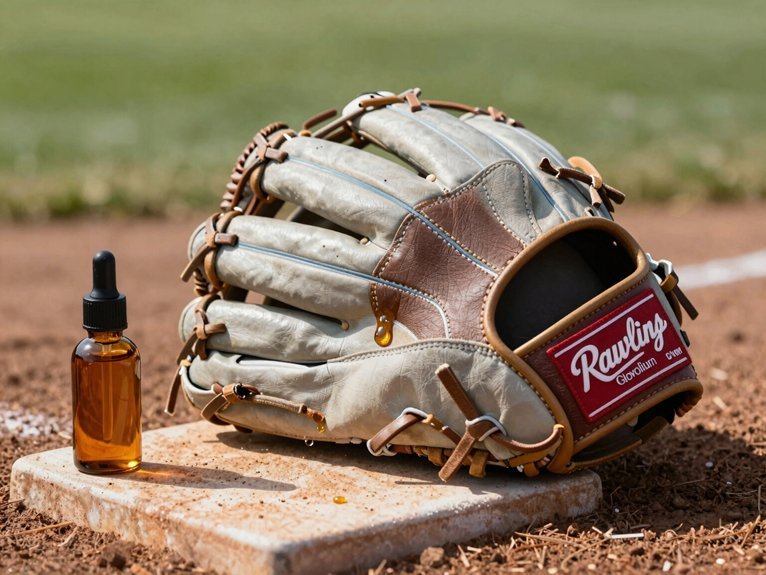
Where can you find a glove treatment that won’t drain your wallet but still gets the job done? You grab Rawlings Glovolium Glove Oil, a budget-friendly pick that runs about $5.99 per can.
Rawlings Glovolium Glove Oil delivers budget-friendly leather care at just $5.99 per can.
Why It Works
This Glove Oil softens leather fast, cutting your Break-in time without emptying your pockets. You apply it, work the pocket, and feel the difference quickly.
Key Benefits
- Speeds up Break-in for game-ready feel
- Conditions leather to prevent cracking
- Widely available at most sporting goods stores
Best For
You choose this when you need quick results on a tight budget. It won’t match premium conditioners, but it delivers solid value.
Quick Tip
Apply sparingly, you don’t want oversaturated leather. Let it absorb overnight before shaping your pocket.
Recommended Products

SOFTENS, PROTECTS & RESTORES | Glove conditioner that treats leather ball gloves without adding weight

COLOR-SAFE SOFTNESS – If keeping the original color of your glove is important to you, look no further. Trusted by players and coaches alike, our Sarna glove conditioner nourishes leather without darkening. Reds, blues, pinks, and other modern glove colors will stay true. Fast-absorbing care keeps the pocket flexible and game-ready, with no greasy feel.

COLOR-SAFE SOFTNESS – If keeping the original color of your glove is important to you, look no further. Trusted by players and coaches alike, our Sarna glove conditioner nourishes leather without darkening. Reds, blues, pinks, and other modern glove colors will stay true. Fast-absorbing care keeps the pocket flexible and game-ready, with no greasy feel.
Mizuno Strong Oil: Premium Pick for Steerhide Gloves
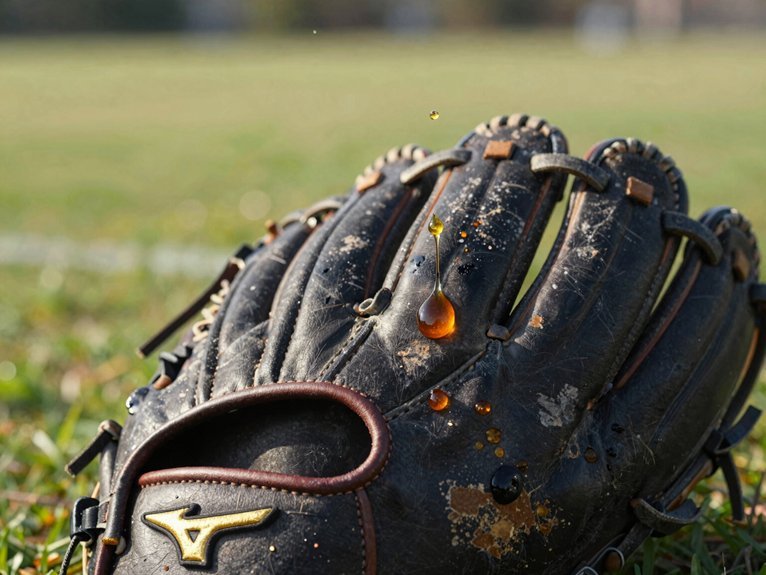
You’ve got your budget option sorted, but now you’re eyeing something tougher, something built for the long haul. Mizuno Strong Oil steps up as your premium conditioner, engineered specifically for steerhide gloves that demand serious care.
This isn’t your basic break-in juice. You’re investing in targeted conditioning that maintains flexibility without gumming up the works with excessive waxes. The formula helps you achieve quicker pliability while preserving that rugged steerhide durability you paid for.
Here’s what you’re getting:
- Faster break-in without compromising leather integrity
- Clean absorption that won’t attract excessive dirt
- Long-term crack prevention for seasons of hard use
At a higher price point, you’re paying for precision. Apply sparingly, work it into the pocket and hinges, and you’ll keep that steerhide ready for play without the greasy residue lesser oils leave behind.
Recommended Products

Quickly Softens and Hydrates Leather: AliBall baseball glove leather conditioner rapidly absorbs into the leather, ensuring your glove remains soft, hydrated, and flexible. Ideal for both new and old gloves.

Soften leather: Baseball mitt oil absorbs quickly into the leather and gets your glove hydrated, soft and malleable. Perfect for both new and old gloves

Quickly Softens and Hydrates Leather: AliBall baseball glove leather conditioner rapidly absorbs into the leather, ensuring your glove remains soft, hydrated, and flexible. Ideal for both new and old gloves.
Ball Players Balm: Cleanest Natural Oil Formula
Sometimes you want to know exactly what you’re rubbing into your glove, and Ball Players Balm delivers that peace of mind. This conditioner stands out among glove oils for its completely natural formula, using raw ingredients with minimal additives.
Ball Players Balm delivers peace of mind with its completely natural formula and minimal additives.
Chris Petroff of The Glove Lab endorses it, so you know it earns respect from serious leather experts. The balm moisturizes and softens leather without that heavy, greasy feel that lingers for days.
Over the last decade, it’s become a go-to for players who prioritize clean ingredients. You’ll find it works well for break-in, relacing, and full restoration projects. Compared to mainstream options, these natural oils penetrate deeply without chemical residue.
If you value transparency in your gear care, this specialist pick belongs in your bag.
Recommended Products
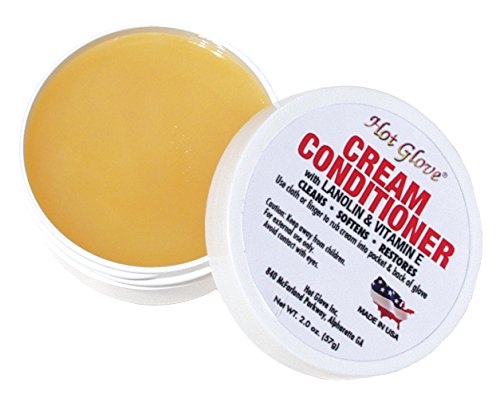
Safeguard Your Glove with Hot Glove Cream Conditioner: Discover the ultimate defense for your glove with Hot Glove Cream Conditioner – a safe, easy, and highly effective solution to protect and preserve your prized gear.


FASTER BREAK-IN – Use this softball and baseball glove oil break in solution when a new mitt feels stiff. The lanolin-based formula absorbs deeply to soften leather, improve flexibility, and help shape the pocket faster without leaving a heavy, greasy feel.
Wilson Pro Stock: The Pros’ Most Trusted Conditioner
Moving from natural formulas to a longtime locker room favorite, Wilson Pro Stock Conditioner carries the kind of reputation that keeps pro players coming back season after season. You’ll recognize that signature scent the moment you open the tin, a smell that’s practically synonymous with Opening Day.
This glove conditioner blends lanolin and vitamin E into a lighter formula that softens leather without the heavy residue of traditional oils. Wilson Pro Stock Conditioner earns its 4.7-star average through consistent performance, not hype.
Here’s why pros trust it:
- It preserves your glove’s original color, no darkening surprises
- It leaves a protective, non-greasy layer you can actually feel good about
- It works fast, so you’re game-ready without the wait
Grab a tin and join the clubhouse tradition.
Recommended Products
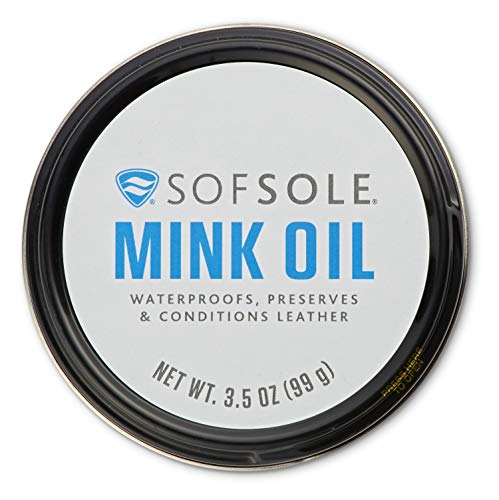
Mink oil for Waterproofing, conditioning, and preserving leather goods

100 PERCENT PURE NEATSFOOT OIL: Bickmore Neatsfoot Oil moisturizes, softens, and conditions your favorite leather products. Our product is 100 percent pure with no added petroleum distillates.

Complete 6-Piece Glove Care Kit for Leather Gloves: Includes Glove Cleaner (8oz), Glove Oil (8oz), Leather Conditioner (3.38oz), 2 applicator pads, and a premium microfiber cloth for full glove maintenance.
Sarna Conditioner: Best for Preserving Glove Color
A pristine glove deserves a conditioner that keeps it looking sharp, and Sarna Conditioner delivers exactly that. You’ll appreciate how this product focuses on preserving color while keeping your leather game-ready.
Why Players Choose Sarna
When you’re serious about glove conditioning, you don’t want surprises. Sarna avoids heavy mink oil and additives that darken leather, so your glove stays true to its original shade. The thicker cream variant reduces mess and runniness during application.
How It Stacks Up
Sarna competes directly with Ball Players Balm and Wilson Pro Stock in quality. You’ll find it under the Glove Refresh brand, trusted by players who prioritize glove upkeep without sacrificing appearance.
The Bottom Line
If maintaining that fresh-from-the-store look matters to you, Sarna Conditioner belongs in your bag. Your glove’s color stays intact, and you keep playing with confidence.
Recommended Products
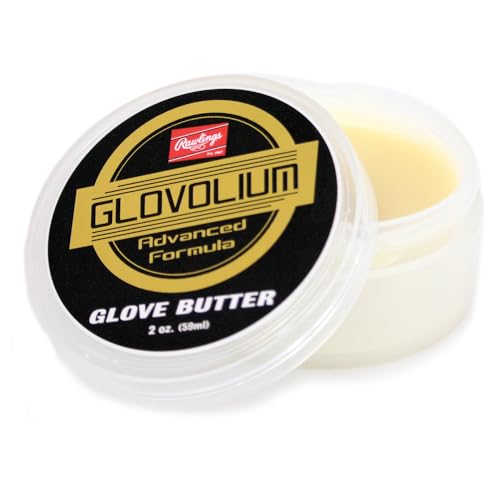
BREAK-IN ASSISTANT | Designed to help break-in any baseball or softball glove

Complete Glove Break-in Kit: Includes glove oil, conditioner, glove wrap, mallet, applicator, and cloth—everything you need to break in your glove fast.

A&Js All-Natural: Zero-Additive Option for Sensitive Leather
While Sarna keeps your glove’s color intact, you might want something even simpler for leather that’s picky about what touches it. Enter A&Js All-Natural, a zero-additive glove conditioner that skips the usual suspects: no mink oil, neatsfoot oil, coconut oil, petroleum, dyes, or detergents. You’ll appreciate its rub-on ease and Ball Players Balm-like consistency.
This glove conditioner earns praise from Chris Petroff of The Glove Lab for its straightforward, natural approach. Here’s what makes it stand out:
- Nothing extra added, pure conditioning without chemical baggage
- Residue-free finish, keeps your glove looking factory-fresh
- Sensitive-leather safe, ideal for vintage or premium hides that darken easily
You won’t worry about unexpected color changes or greasy buildup. If your leather demands the cleanest possible care, A&Js delivers exactly that.
Recommended Products

Rejuvenates dry and worn-out leather athletic gloves

BRING YOUR OLD GLOVE BACK TO LIFE: AliBall baseball conditioner cream helps condition the leather, helping it become more pliable, especially on the palms and fingers, this works great whether you're making new gloves or reconditioning an older. Also cleans great.

PREMIUM FORMULA: Contains highest quality active ingredients
Side-by-Side Comparison: Which Product Fits Your Needs?
You’ll want to match your glove’s leather type with the right product, since not every oil plays nice with every hide.
Compare prices carefully, because a $5.99 bottle of Rawlings Glovolium often delivers the same break-in boost as pricier alternatives.
Check whether you’re after quick softening or long-term conditioning.
Don’t forget that pairing oils with follow-up conditioners keeps your leather game-ready without the greasy buildup.
Recommended Products

Restore and Protect Leather: This premium mink oil is perfect for conditioning and preserving leather goods, including baseball gloves, boots, jackets, and other leather items

BASEBALL STARTER KIT INCLUDES: Baseball Glove Oil (8 oz), Baseball Glove Conditioner (2 oz), and Microfiber Cloth
Product Type Comparison
Someone’s gotta make the call: oil or conditioner? You need to know what you’re getting into before you commit.
Glove oils pack a punch for breaking in stiff leather fast. They’re heavy hitters, but they’ll darken your glove’s color and can clog pores if you overdo it.
Conditioner products play it lighter, preserving that original look while still softening the leather. Modern options like Sarna Baseball Glove Conditioner often outperform old-school oils for daily maintenance.
Here’s how they stack up:
- Speed: Oils break in gloves faster; conditioners take their time.
- Appearance: Conditioners keep colors true; oils deepen the shade.
- Longevity: Conditioners protect leather health; oils risk deterioration with heavy use.
You choose based on your priorities: quick break-in or lasting care.
Price Versus Performance
Now that you know the difference between oils and conditioners, it’s time to talk money.
You’ll find glove oil options ranging from budget-friendly picks like Rawlings Glovolium at $5.99 to premium choices such as Mizuno Strong Oil Glove Conditioner at $9.99. Cheaper oils soften leather quickly, but you risk over-application and unwanted darkening that hurts your glove’s looks and lifespan.
Mid-range and premium products typically deliver faster break-in, better moisture retention, and cleaner finishes without that greasy shine. When weighing price versus performance, match the product to your specific needs: steerhide versus synthetic leather, your break-in timeline, and whether you value odor control, wax protection, or a non-greasy feel. Spending a few extra dollars often saves money long-term by extending your glove’s life and maintaining its appearance season after season.
Leather Compatibility Guide
Since not all leather is created equal, matching the right product to your glove’s material keeps it game-ready without unwanted side effects. You need to know what works best for your specific situation.
Here’s how to choose wisely:
- For stiff, new gloves: Reach for neatsfoot oil or quality glove oil. These penetrate deep, soften the leather fast, and get you field-ready quicker.
- For colored or premium leather: Skip heavy oils. They’ll darken your glove and clog pores over time. Light conditioners protect without changing that fresh look.
- For long-term care: Rotate between oils and conditioners. Use glove oil sparingly for flexibility, then switch to conditioners to maintain color and prevent buildup.
You’ll keep your leather healthy by matching the product to your priorities: speed, appearance, or durability.
Apply Glove Oil Without Damaging Leather: Step-by-Step
Before you oil your glove, you’ll want to prep the leather properly so you don’t trap dirt against it. Start with pre-cleaning preparation by wiping away dust and grime with a damp cloth, then let it dry completely.
Use just a small amount of oil on a microfiber cloth, rub it evenly across the palm and fingers, and give it several hours or overnight for drying and storage before you play catch.
Recommended Products

Heavy Duty Leather Preservative – Industrial strength leather conditioner that keeps leather flexible and protected. This true natural preservative has no harmful chemicals, softeners or sealers that damage leather.

Softens, preserves and waterproofs your favorite vinyl or leather boots, shoes and all smooth articles of leather
Pre-Cleaning Preparation
Whether you’re breaking in a fresh mitt or reviving an old favorite, you’ll want to start with a clean surface. Pre-cleaning sets the stage for glove oil to work its magic, so don’t skip this step.
Here’s your game plan:
- Wipe away dirt, salts, and old oils with a damp cloth or mild soap solution, then let your glove dry completely.
- Inspect the leather closely for cracks or extreme dryness. If it’s parched, give it a light conditioning first to prevent oversaturation later.
- Test your chosen oil on a hidden spot to check for darkening or staining before full application.
Taking these precautions protects your investment and ensures the glove oil penetrates properly. A little patience now saves you from a greasy, damaged mitt down the road.
Proper Oil Amount
How much oil does your glove actually need? Less than you’d think. Start with a small amount of glove oil, especially on new leather, and build up gradually. You can always add more, but you can’t un-soak oversaturated leather.
Apply a thin, even layer using a microfiber cloth, spreading carefully to avoid pooling in creases. Focus on the back, fingers, and lacing, and go easy on the palm padding to preserve your grip. Wipe off any excess within 5–10 minutes; leaving it longer risks clogging pores and darkening the leather too much.
Let your glove rest several hours or overnight in a cool, dry spot away from direct sunlight. This patience pays off in leather care, giving you flexibility without damage. Remember, moderation keeps your glove game-ready for seasons to come.
Drying and Storage
Where should your freshly oiled glove spend the night? You’ve applied your glove oil carefully, so now it’s time to lock in that protection with smart storage choices.
Let the oil absorb fully before you shape your glove. Wipe away any excess, because leftover oil can darken the leather or clog those precious pores you just nourished.
Here’s your post-oil game plan:
- Find a cool, dry spot away from windows and heat vents
- Keep your glove out of direct sunlight to prevent cracking
- Let it rest on a shelf or in a breathable bag, never sealed in plastic
Proper storage preserves the flexibility you’ve worked hard to maintain. Treat your glove right after oiling, and it’ll stay game-ready for seasons to come.
How Often to Oil: Season-by-Season Maintenance Schedule
When exactly should you oil your glove? Your maintenance schedule starts with glove oil at spring training, helping that stiff leather break in fast. During the active season, you’ll want a complete oiling every 6 to 12 weeks, keeping flexibility high without soaking the pores.
Come colder, drier months, space out your applications and use thinner coats to prevent stiffening and clogging. Rainy game or long tournament weekend? Give your glove a quick touch-up before next first pitch to lock in suppleness and grip.
Always condition after cleaning, and never rush the drying. Trapped moisture cracks leather fast, so let your glove breathe completely before adding oil. Stick to this rhythm, and your glove stays game-ready year-round.
Recommended Products

WINDPROOF AND WATER RESISTANT: Breathable Hestra Triton 3-Layer polyamide fabric, Proofed Army Leather-goat leather palm

SOFTENS, PROTECTS & RESTORES | Glove gel that treats leather ball gloves without adding weight