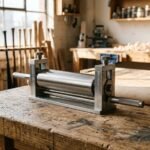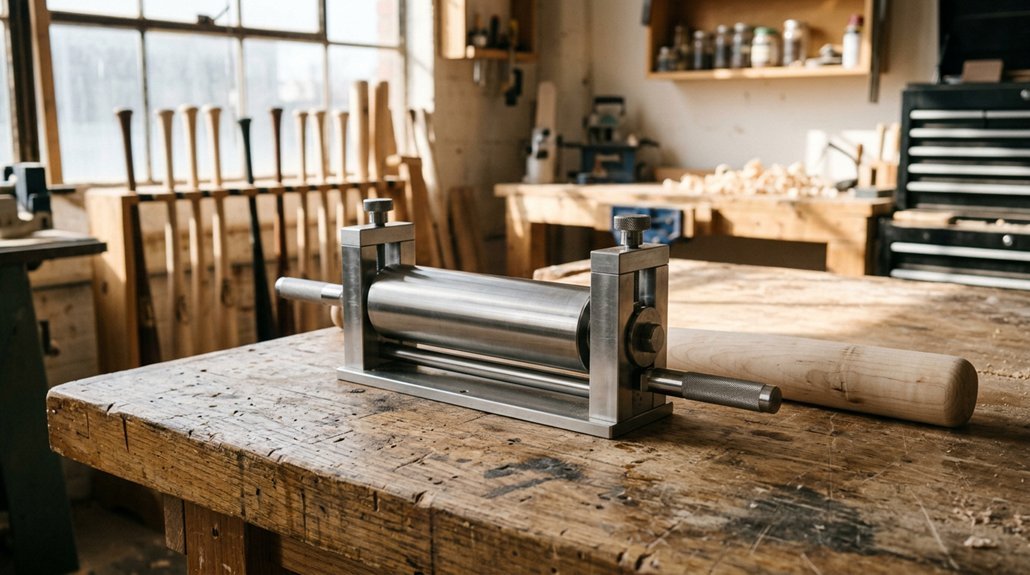
You stand in the dugout, gripping a stiff new composite bat that pings like a hollow tin can. You’re tempted by that shortcut, the roller in your buddy’s garage promising instant pop. But before you risk an ejection or a voided warranty, you need to know: your league probably says no.
Most major associations treat bat rolling as tampering, and the penalties sting worse than a strikeout. Stick around, and you’ll learn exactly which rules apply to you and how to break in your bat the right way.
How Bat Rolling Changes Composite Bat Performance
Why does a brand-new composite bat feel so stiff when you first step up to the plate? You’re feeling tight carbon fibers that haven’t loosened yet, and that’s where rolling enters the conversation.
What Rolling Actually Does
When you roll composite bats, you’re compressing the barrel evenly as it rotates. This mimics hundreds of swings without the wait. You’ll notice performance changes right away: the trampoline effect improves, and balls jump off the barrel with less sting in your hands.
Reading the Results
Compression scores drop after rolling, showing the barrel’s gotten softer. But here’s the catch: results vary wildly by model. Some bats wake up dramatically, others barely budge. Overdo it, and you’ll hurt durability.
The Legal Gray Area
Bat rolling legality sits in a tricky spot. While you’re not removing material like shaving, rolling regulations differ across leagues, so always check your rulebook before modifying any bat.
Recommended Products

IMPRESSIVE SWEET SPOT | The 2 1/4" barrel delivers a massive sweet spot, making it easy for young players to improve plate coverage and the confiednece to make consistent, powerful contact

Louisville Slugger Pro Prime Composite Maple Baseball Bat - 32"

2023 Louisville Slugger Meta (-10) USSSA Baseball Bat - 28"/18 oz
Is Bat Rolling Illegal in Your League? (USSSA, USA, BBCOR, and More)
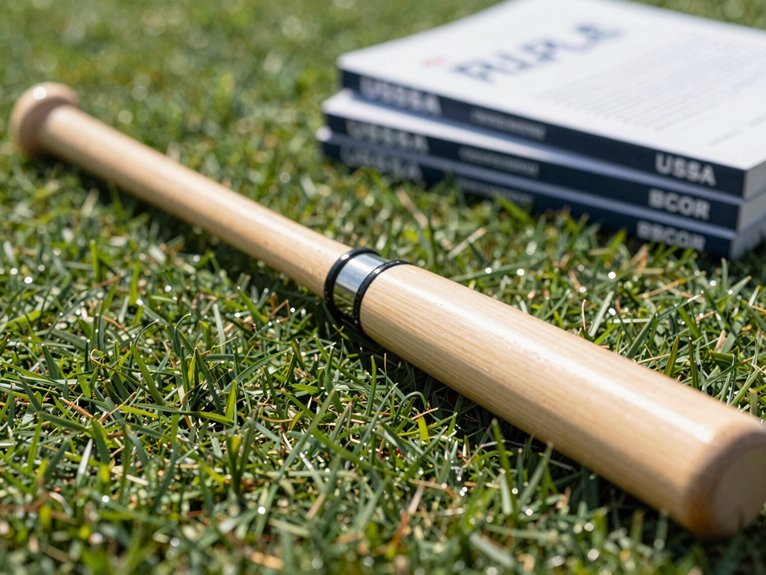
You’ll want to check your specific league’s rulebook before rolling any bat, since USSSA, USA Baseball, and BBCOR each handle tampering differently. Most associations ban rolling outright and can suspend you, eject you, or void your warranty if they spot roller marks or altered barrel walls.
Play it safe by keeping your bat factory-fresh; you’re protecting your eligibility and your wallet.
Recommended Products

Louisville Slugger 2024 Meta (-5) 2 3/4” USSSA Bat - 32"/27 oz

LOADED SWING WEIGHT | .5 oz endload provides extra mass in the barrel, helping generate more power and distance through the zone.

Promotes proper grip, hand placement, hip rotation and swing path during and after contact is made. Provides instant feedback, allowing players to make proper adjustments to their hitting technique
League-Specific Rules
Where exactly does your league stand on rolled bats? You’ll find that USSSA, USA Baseball, and BBCOR standards all prohibit tampering with a bat, including rolling, shaving, end-cap modification, and adding or removing interior materials. This tampering voids certification and warranties, so you’re risking more than just a penalty.
Here’s what you need to check for compliance with your league rules:
- USSSA: Rolled bats are banned; tampering voids your certification immediately.
- USA Baseball: Strict anti-tampering policies apply across all youth divisions.
- BBCOR: College and high school play prohibits any barrel modification.
- NFHS/NCAA/NAIA: Since 2012, rolling, shaving, or artificially warming bats breaks the rules.
Some leagues admit rolled bats are tough to detect, but that doesn’t make them legal. You’re better off choosing league-approved end-loaded bats designed for performance without the risk.
Consequences and Enforcement
Beyond simple rule-breaking, bat rolling carries real consequences you can’t ignore. You’re risking ejection, suspension, or even team disqualification when you step up with a doctored bat. USSSA, USA Baseball, and BBCOR don’t mess around with tampering penalties.
Enforcement gets tricky, though. Officials hunt for exterior marks and odd wear patterns, but rolled bats sometimes slip through. Don’t count on staying undetected forever; associations are catching up.
Bat rolling legality isn’t gray; it’s flat-out banned. You’re also voiding warranties and exposing coaches, parents, and officials to liability. That’s a heavy price for extra pop.
Play it smart. Grab league-approved end-loaded bats designed for legal power. You’ll swing with confidence, skip the consequences, and keep your reputation intact.
Can Umpires Detect a Rolled Bat? Testing Methods and Limits
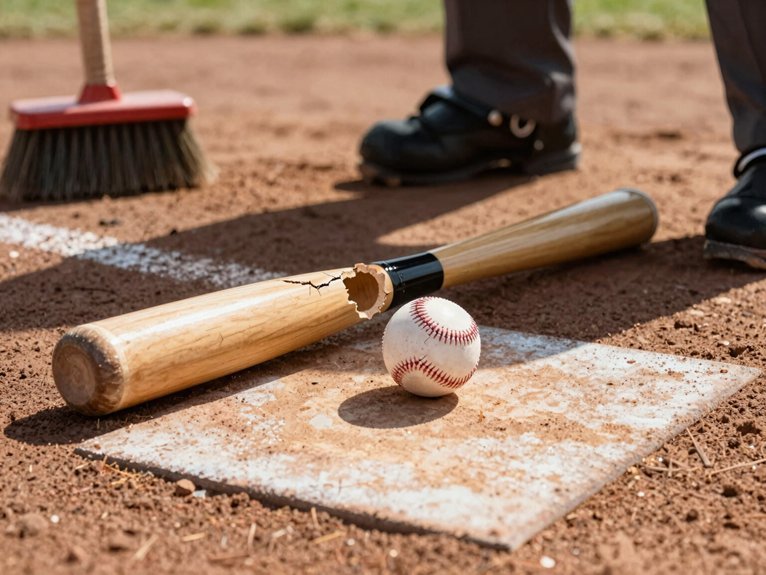
How can an umpire spot a bat that’s been rolled when the evidence hides in plain sight? You’re facing a real challenge, because detecting a rolled bat isn’t as straightforward as you’d hope.
Spotting a rolled bat is harder than it looks—the evidence hides in plain sight, testing both your patience and your judgment.
When you’re testing for legality, you’ll encounter these limits:
- Visual inspection rarely reveals clear proof, since roller marks fade quickly
- Compression testing can’t reliably separate rolled bats from well-broken-in legal ones
- Pressure lines might appear, but older unrolled bats show similar wear
- Expert verification often fails, as no method definitively proves rolling occurred
You’re left trusting your gut more than science. The testing gap creates headaches for officials everywhere. Without reliable detection tools, you’re policing shadows, and that uncertainty keeps the debate about rolled bats alive in every dugout.
Recommended Products

TWO-PIECE HYBRID CONSTRUCTION | Stiff composite handle with a powerful alloy + composite-lined barrel for optimal performance

DeMarini 2025 Zen (-3) BBCOR Baseball Bat - 33"/30 oz

BALANCED DESIGN | This 1-piece alloy baseball bat features a one-piece balanced design with a forged end cap to assist with swing speed and distance.
Why Your League Bans Rolled Bats: Safety and Fairness
Why does your league care so much about a little bat rolling? It comes down to safety and fairness, plain and simple. When you tamper with a bat through rolling, you’re not just bending the rules. You’re creating real dangers.
Rolled bats can break faster, sending dangerous shards toward pitchers, fielders, and fans. Your league officials ban this tampering because they want everyone walking off the field in one piece.
Fairness matters too. Rolling gives hitters an artificial edge over teammates who play by the rules. That undermines the spirit of competition your league works hard to protect.
While some debate the legality of detection methods, your league takes a clear stand: approved performance only. Skip the rolling, pick league-approved alternatives, and keep everyone’s safety first.
Recommended Products
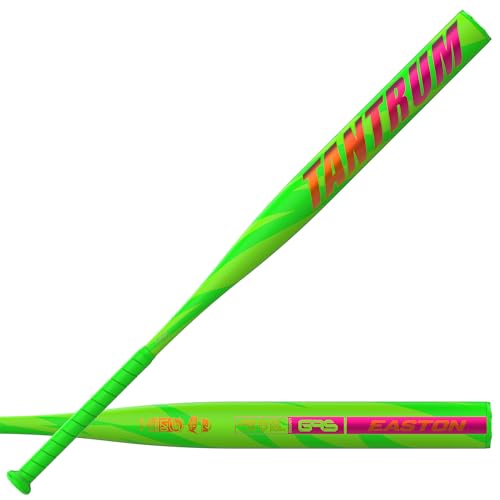
G4S G4ORCE BARREL TECHNOLOGY | Triple-region barrel flex with a plural resin system creates variable compression across the 12.75” barrel for an expanded sweet spot and explosive performance.

The Varo Arc 12oz Softball Training Weight distributes weight over the bat's sweet spot and is designed for bats with 2-1/4" barrels
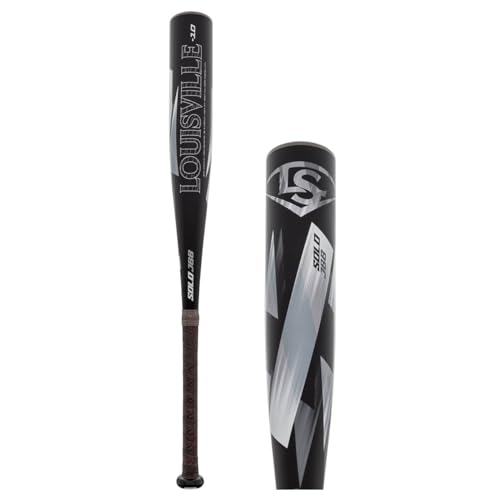
Premium SL Hyper superlight alloy with thinner wall design for maximum pop.
Risks of Using a Rolled Bat: Penalties, Warranty Loss, and Damage
So you’re thinking about rolling your bat, or maybe you already did, and you’re wondering what could go wrong? Using a rolled bat carries serious consequences you can’t ignore.
Here’s what you’re risking:
- Penalties: You’re facing ejection, suspensions, or league bans if officials catch you tampering.
- Warranty void: Manufacturers will deny your claims when they spot roller marks or end-cap damage.
- Physical damage: You might create flat spots, pressure lines, or deformation that ruins the bat.
- Certification loss: Your bat loses USA Baseball or BBCOR approval, making it unusable in sanctioned play.
Officials train specifically to detect rolled bats, and testing methods keep improving. You’re not just risking equipment; you’re risking your reputation and playing privileges. The short-term gain isn’t worth the long-term pain.
Recommended Products

Louisville Slugger Genuine MIX Unfinished Natural Clear Baseball Bat - 34

DeMarini D271 Pro Maple Wood Composite Baseball Bat - 33"

YOUTH BASEBALL BAT: The Heist aluminum youth bat is perfect for baseball players ages 8-12 to add some pop to their swing as they practice their hitting skills and develop their game
Break In Your Bat Legally: Alternatives to Rolling
Many players want extra pop from their bats without crossing into illegal territory, and you’ve got plenty of legitimate options to get there. Understanding bat rolling legality helps you make smart choices that keep you in the game.
Choose League-Approved Bats for Instant Performance
You’ll find powerful break-in alternatives right off the shelf. Manufacturers design league-approved bats with enhanced sweet spots and end-loaded barrels that deliver extra punch within official rules. These bats boost your power without touching the bat’s material or voiding your warranty, keeping safety and compliance intact.
Why Legal Options Win
Legal alternatives protect you from penalties and equipment damage. You’ll play with confidence knowing your gear meets certification standards. Invest in properly engineered bats, and you’ll get the performance you want, no sketchy modifications required.
Recommended Products

THE SOUND OF PERFORMANCE: All-new Sonar Sweet Spot technology provides maximum pop in an expanded sweet spot with a unique “echo ping” premium performance sound on contact.

ONE-PIECE ALUMINUM DESIGN: Crafted with VXP alloy for durability and a traditional swing feel, offering consistent performance for senior league players.

Developed for coaches, hitting instructors or players wanting to incorporate one-handed hitting drills into their training
How Long Does Natural Bat Break-In Actually Take?
How long you’ll wait for a bat to break in naturally depends on what you’re swinging and how often you’re hitting. You’ll see natural break-in happen gradually through regular batting practice and game use, though exact timelines vary by model and construction.
You’ll notice the biggest improvements early on. Here’s what to expect:
- Bat stiffness creates the most dramatic early gains, with stiffer bats showing faster initial progress
- You’ll hit peak flexibility after roughly 150-200 solid contacts for most composite models
- Compression testing can track barrel loosening, though it won’t measure actual performance jumps
- Rolling diminishing returns kick in quickly; excessive work risks damage without adding pop
While bat rolling legality remains questionable in most leagues, you’ll get legitimate results through patient natural break-in.
Recommended Products
BALANCED DESIGN | This 1-piece alloy baseball bat features a one-piece balanced design with a forged end cap to assist with swing speed and distance.

DESIGNED FOR YOUTH BATTERS | This CHAOS USA Bat promotes consistent performance and quality while at the plate using highly responsive, aerospace-grade alloy

Multi-variable wall design creates an expanded sweet spot with high durability