When you’re shopping for a baseball bat, you’ll notice prices swing wildly from around CAD 50 bargain finds to over CAD 700 pro-level sticks. That gap exists because materials, construction, and certifications all shape what you pay.
You’ll need to weigh what actually matters for your game versus what’s just flashy marketing. Wood bats cost differently than alloys, and composites sit at the premium end with specific performance perks. Don’t blow your budget on features you won’t use, but don’t cheap out on something that’ll crack mid-season either.
The real question is: what should you actually spend to get the right bat for your swing?
What You’ll Pay: 2024 Baseball Bat Prices
When you’re shopping for a baseball bat in 2024, you’ll find prices that match just about every budget and skill level. Baseball bat prices in Canada range from $50 to $700+ CAD, depending on what you need.
Breaking Down 2024 Pricing
You’ll see clear tiers: entry-level bats run $50–$120 CAD, perfect for beginners just learning the ropes. Mid-tier options cost $150–$350 CAD, ideal for travel and high school players. Premium bats hit $400–$700+ CAD for college and elite athletes who need top performance.
Alloy vs Composite: What’s the Difference?
Alloy bats typically cost $70–$250 CAD and deliver immediate power with no break-in period. Composite bats run $250–$700+ CAD, offering larger sweet spots and reduced vibration. Hybrids split the difference at $200–$400 CAD.
Wooden bats stay affordable at $50–$200 CAD, great for practice or wood-bat leagues.
Recommended Products

IDEAL FOR AGES 10 AND UNDER | The REMIX USA Youth bat is a premium bat for entry level players learning the fundamentals

DESIGNED FOR YOUTH BASEBALL | With a -12 drop weight and 2-1 4’’ barrel diameter this bat is ideal for younger players in USA Certified Baseball Leagues

STRUCTURED FOR CONSISTENCY | This 1-piece alloy baseball bat features a one-piece balanced design with a concave end cap to ensure structural stability and the perfect feel when hitting the sweet spot.
How Wood Type Changes the Price
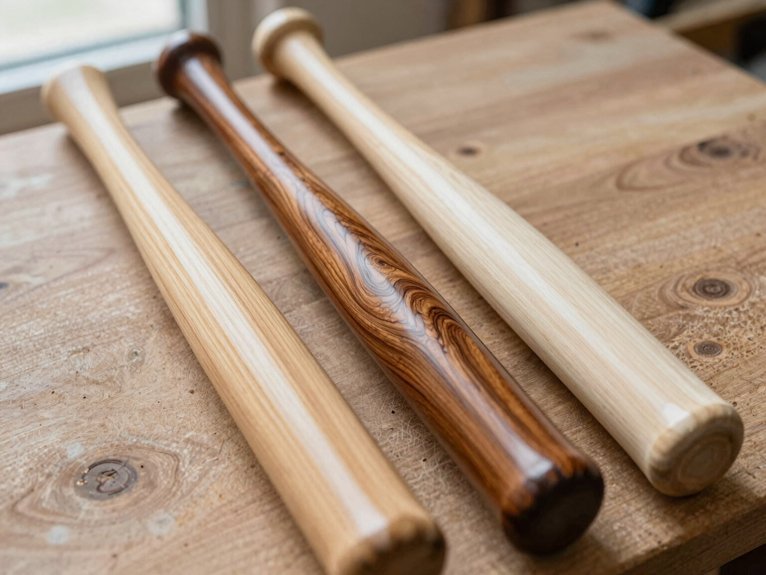
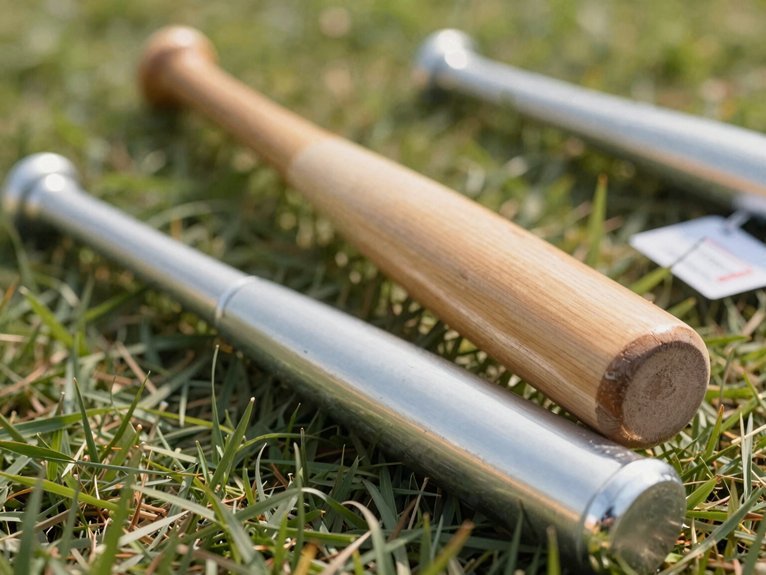
Why does the same length bat cost $50 more just because it’s made from maple instead of ash? You’re paying for density and durability. Maple, the hardest of the three, packs serious power and lasts longer, so manufacturers charge premium prices. Ash offers more flex and a larger sweet spot, but it’s lighter and less durable, keeping costs down.
Birch splits the difference: harder than ash, more forgiving than maple, with a middle-tier price tag.
When you shop pro-grade wood, expect a price range of $150 to $300. Maple sits at the top, birch holds the middle ground, and ash gives you budget-friendly performance. Your choice shapes how the bat feels in your hands and how long it survives your swing.
Recommended Products
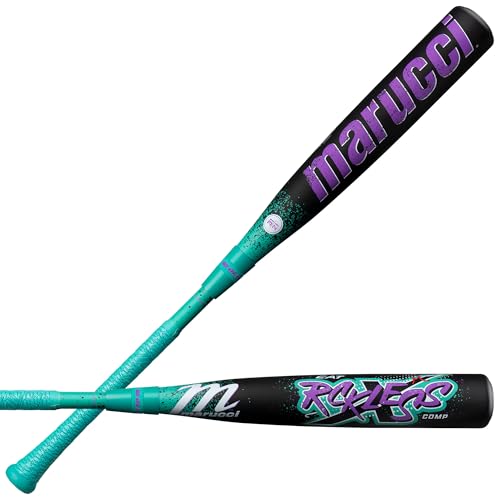
FLEX COMPOSITE BARREL: This Marucci bat is engineered with fiber-layered energy exchange to maximize barrel flex and responsiveness, producing explosive sound and performance at contact.
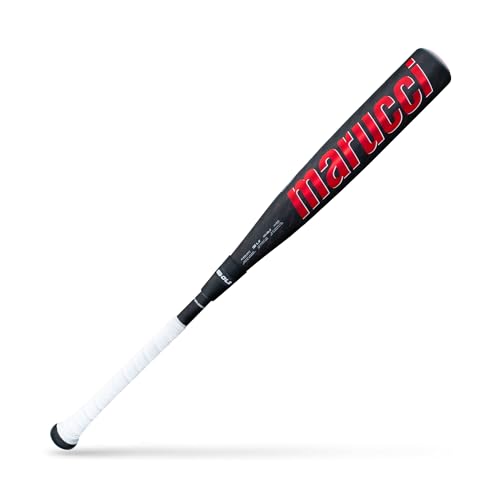
EXPANDED SWEET SPOT: This USSSA baseball bat features a two-piece composite construction with a longer barrel and wider sweet spot for consistent performance.

EXPANDED SWEET SPOT: This BBCOR baseball bat features a two-piece composite construction features a longer barrel with a wider sweet spot, designed for consistent contact and enhanced performance.
What to Buy for Your Skill Level
How do you know you’re not overspending on a bat you’ll outgrow in a season? Match your gear to your skill level, and you’ll save money while improving faster.
Youth vs. Adult: Start Smart
If you’re just starting out, stick to beginner price ranges of CAD 50–120. You’ll find alloy bats here: durable, affordable, and perfect for learning the ropes. Youth players need 26–34 inch lengths with balanced swing weights that fit your age and height.
Moving Up
Travel ball or high school? Mid-tier models run CAD 150–350. Composites and hybrids dominate this space, offering better pop and lighter swings. Check your league certifications first: BBCOR, USSSA, or USABat requirements affect which bat materials you can actually use.
Going Pro
Elite players, you’re looking at CAD 400–700+ for premium composites. Wood bats (CAD 50–200) suit practice and showcase events. Brands like Easton, Louisville, and Canadian makers B45 and Mark Lumber cover every level, so you won’t swing and miss on quality.
Recommended Products
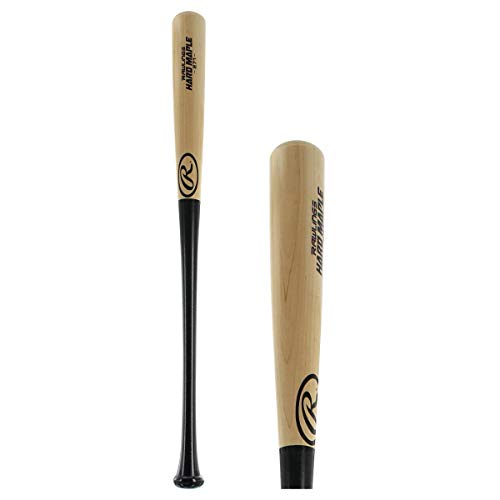
DESIGNED FOR ADULT BASEBALL PLAYERS | Ages 14+

DESIGNED FOR ADULTS AND KIDS AGES 13 AND UP, the Big Stick Elite 243 Maple Wood Baseball Bat is constructed from the finest materials and is durable to keep up with your level of play

DESIGNED FOR ADULTS AND KIDS AGES 13 AND UP, the Big Stick Elite 243 Maple Wood Baseball Bat is constructed from the finest materials and is durable to keep up with your level of play
What Adds to Your Total Cost
Where does your money actually go when you buy a bat? Your baseball bat cost depends on several key factors that stack up quickly.
- Material type: You’ll pay $70–$250 for alloy, $250–$700+ for composite, $200–$400 for hybrid, or $50–$200 for wood.
- League certification: BBCOR, USSSA, and USABat stamps limit your options and can bump you into a higher price range.
- Performance tier: Entry-level bats run $50–$120, mid-tier $150–$350, and premium models hit $400–$700+.
- Bundled offers: Retailers package bats with gloves or gear, raising your total but sometimes saving you money overall.
Watch these add-ons, and you’ll swing smarter, not just harder.
Recommended Products

Louisville Slugger 2025 Dynasty (-3) BBCOR Baseball Bat - 34"/31 oz

Multi-variable wall design creates an expanded sweet spot with high durability

EXPANDED SWEET SPOT: Multi-variable wall design ensures an expanded sweet spot for more consistent contact across the entire barrel on this BBCOR baseball bat.
Where to Shop: Online vs. Local Stores
You’ve got a handle on what drives bat prices, so now it’s time to figure out where to actually buy one.
Online Shopping: Selection and Savings****
When you’re browsing baseball bats, online shopping opens up massive price ranges. Canada retailers like Baseball360 stock options from $50 to $700+ CAD. You’ll find entry-level alloy bats around $50–$120, while premium composite models hit $400–$700+. Top brands, Easton, Louisville, Marucci, and Rawlings, ship free on select items.
You’ll also get detailed specs, user ratings, and quick delivery estimates. Watch for steals like the Easton Hammer Youth Bat at about $27.97.
Local Stores: Hands-On Help****
Prefer to swing before you buy? Baseball360 runs four local stores in Quebec City, Trois-Rivières, London, and Barrie. You get immediate pickup and expert advice.
The Verdict
Mix both: research online, then test locally if you can.
Recommended Products

BALANCED DESIGN | This 1-piece alloy baseball bat features a one-piece balanced design with a forged end cap to assist with swing speed and distance.

DESIGNED FOR YOUTH BASEBALL | With a -12 drop weight and 2-1 4’’ barrel diameter this bat is ideal for younger players in USA Certified Baseball Leagues
EXPANDED SWEET SPOT: Multi-variable wall design ensures an expanded sweet spot for more consistent contact across the entire barrel on this BBCOR baseball bat.