Like a catcher framing the perfect pitch, you’re about to discover that what hides beneath your baseball pants matters more than you think. You’ve probably wondered if sliding shorts beat compression gear, or how to stay warm during those freezing April doubleheaders without feeling like a stuffed sausage.
This guide breaks down exactly what you need, when you need it, and why your current setup might be costing you speed, comfort, or both. Get ready to build an under-layer system that actually works.
Do You Actually Need Something Under Baseball Pants?
Why exactly do you need something under your baseball pants? You need underlayers for comfort, support, and protection during every play. Without them, you’re risking chafing, irritation, and distraction when you need focus most.
Baseball underlayers aren’t optional—they’re essential armor against chafing, distraction, and lost focus when every play counts.
The Case for Wearing Underlayers
You should always wear something beneath baseball pants. Moisture-wicking fabrics pull sweat away from your skin, keeping you dry during hot innings. In cold weather, thermal options trap heat without bulk.
You’ll maintain mobility with single-layer synthetic fabrics that move with your body, not against it. Lightweight compression provides muscle support without restriction.
Key Benefits You’ll Notice:
- Stay dry and comfortable through nine innings
- Prevent painful chafing and skin irritation
- Keep full range of motion for throws and slides
Choose underlayers that fit close but don’t bind. Check that sleeve hems sit above your belt, and confirm you can throw freely.
Recommended Products

Quick Dry & Moisture Wicking – Breathable fabric keeps sweat away from the skin, dries fast, and helps boys stay cool, dry, and comfortable during sports and play

Warm Fleece Lining – Soft and thick thermal fabric with a brushed interior provides extra warmth and comfortable compression, keeping boys cozy in cold weather (20°F–50°F)

Quick Dry & Moisture Wicking: This men's long sleeve compression shirt features advanced moisture-wicking and quick drying technology that rapidly pulls sweat away from the skin. The lightweight and breathable fabric ensures constant airflow, keeping you dry and comfortable during intense workouts, gym sessions, or long runs
Compression vs. Sliding Shorts: Which Do You Actually Need?
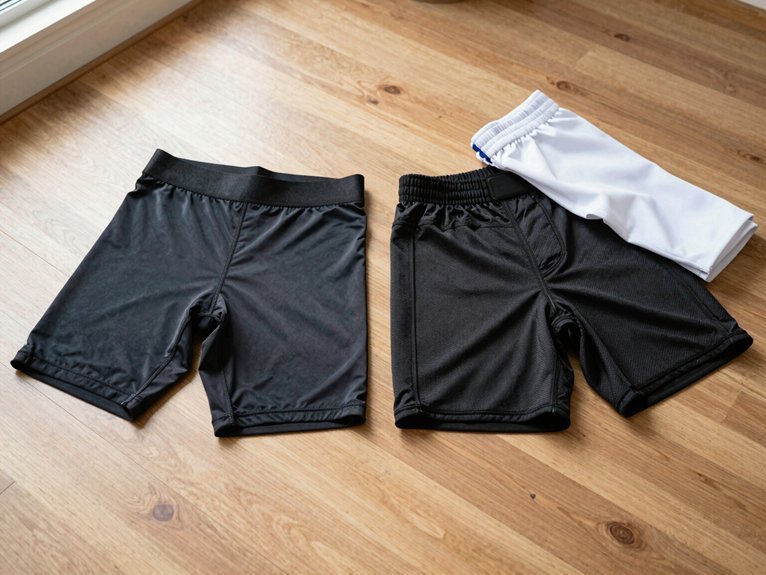
How exactly do compression and sliding shorts differ, and which one belongs in your gear bag?
Compression shorts hug your muscles tightly to boost blood flow, reduce fatigue, and wick sweat during intense play. Sliding shorts, however, prioritize protection with padded panels that shield your thighs and hips from nasty scrapes when you hit the dirt.
You need sliding shorts if you dive, steal bases, or play positions requiring frequent slides. Choose compression as your base underlayer when you want muscle support and temperature control without bulk. Some players actually layer both: compression against the skin, sliding shorts on top for maximum coverage.
Stick to one underlayer beneath your uniform to keep your mobility sharp. Pick your priority: protection or performance, then slide into what fits your game.
Recommended Products

Soft and thick thermal fabric with a brushed interior provides better compression support and extra warmth. For all-over warmth, pair the shirts with our youth boys tights

88% Polyester / 12% Spandex (High-stretch sports fabric,Soft and thick thermal Fleece Lined fabric )

Second-Skin Compression Fit: Knit from 90% Polyester 10% Elastane at 210 GSM, these boys compression pants stay close to the legs without pinching. Four-way stretch springs back, so the fabric holds its shape all day.
Hot Weather Under-Layers: Lightweight and Breathable Options
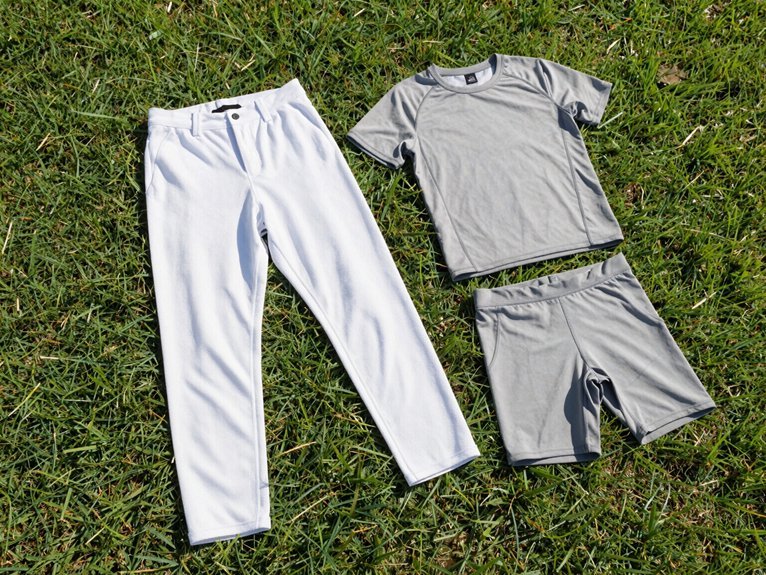
When the summer sun turns the diamond into a sauna, you’ll want gear that works as hard as you do without weighing you down. Moisture-wicking base layers pull sweat away from your skin, while breathable compression shorts and lightweight sliding shorts keep you cool without restricting your range of motion.
Stick to a single layer of synthetic fabric that evaporates quickly, and you’ll stay comfortable from the first pitch to the final out.
Recommended Products

Incomparable Protection During Action and Contact Sports – These adult slider shorts include a cup pocket (cup not included & sold separately) and insert cup into the pocket for max protection. The excellent sponge sliding pad offers impeccable protection against abrasion protecting thigh and glutes while sliding.
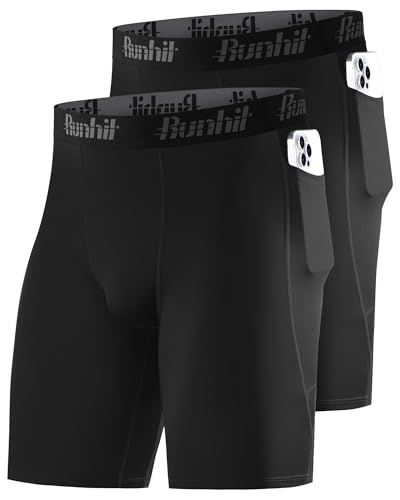
Compression Fit & Muscle Support: Designed with an ergonomic fit and 4-way stretch fabric, these mens compression shorts provide consistent support for the hips and thighs. The compression fit helps stabilize muscles during exercise while allowing full freedom of motion. Promoting better performance and reducing fatigue

compression fit helps you perform better and recover faster
Moisture-Wicking Base Layers
Because summer heat can drain your energy fast, choosing the right base layer becomes essential for staying sharp on the field. You need a moisture-wicking base layer that pulls sweat away from your skin and dries quickly, keeping you cool during intense innings.
Pick lightweight synthetic fabrics like polyester or nylon blends. These materials work hard so you don’t have to, evaporating moisture before it weighs you down. Your undergarment should fit snugly without squeezing, giving you full range of motion for stealing bases or stretching for line drives.
Stick to a single layer beneath your uniform. Multiple layers trap heat and restrict your swing. Look for mesh panels or ventilated zones for extra airflow.
Wash cold and air dry to preserve those sweat-fighting powers all season long.
Breathable Compression Shorts
Where do you turn when the mercury climbs and your legs need relief? You grab breathable compression shorts, your secret weapon for beating the heat.
These snug-fitting shorts pull double duty. The moisture-wicking fabric draws sweat away from your skin, keeping you dry when innings drag on. You get muscle support without the sauna effect, plus underlayer protection that stops chafing before it starts.
Look for single-layer designs in spandex or polyester blends. They hug your body without bulk, so you stay quick on your feet. Nike, Adidas, and Under Armour all make solid options that prioritize airflow.
Skip heavy materials that trap heat. Wash in cold water and air dry to preserve the stretch. Your legs will thank you when that seventh-inning stretch rolls around.
Lightweight Sliding Shorts
You’ve got breathable compression shorts in your rotation, but sometimes you need something built for the dirt. Lightweight sliding shorts step up when the temperature climbs and the game heats up. These moisture-wicking under-layers use synthetic, breathable fabrics that evaporate sweat fast, keeping you cool through extra innings.
Why They Work
The best lightweight sliding shorts prioritize thin, fast-drying materials that balance comfort and mobility. You want a single under-layer that won’t bunch up or restrict your throw. Multiple layers trap heat and slow you down, so stick to one streamlined piece beneath your uniform.
Quick Tips
- Choose fabrics that dry quickly between innings
- Ensure the fit stays snug without squeezing
- Check that padding covers your hips and thighs for slides
Stay cool, stay protected, and keep your focus on the field.
Cold Weather Under-Uniform Gear: Thermal and Fleece Solutions
When temperatures drop, you’ll want to reach for thermal layers that trap body heat without turning you into a bulky snowman on the field. Fleece-lined options give you that cozy, blanket-like warmth while still letting you swing freely, and the best part is you only need one smart layer under your uniform to stay comfortable.
Just make sure whatever you pick wicks sweat away from your skin, because nobody performs their best when they’re damp and shivering between innings.
Recommended Products

Constructed with moisture wicking four-way stretch fabric that moves with your body while eliminating sweat. These Youth Padded Sliding Shorts provide great comfortable fit while skating, running and crouching. They can be worn when your child plays baseball, football, lacrosse, hockey, MMA or other contact sports.
Incomparable protection during action and contact sports – These boys slider shorts include a cup pocket (cup not included & sold separately) and insert cup into the pocket for max protection. The excellent sponge sliding pad offers impeccable protection against abrasion protecting thigh and glutes while sliding.
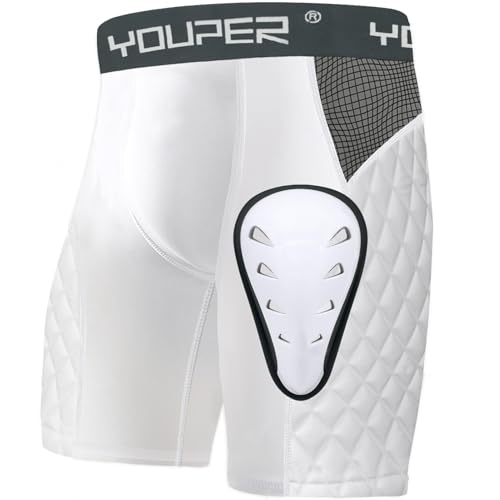
Incomparable protection during action and contact sports – These slider shorts Include a cup pocket (cup not included & sold separately) and Insert cup into the pocket for max protection. The excellent sponge sliding pad offers impeccable protection against abrasion protecting thigh and glutes while sliding.
Thermal Layer Benefits
Why let freezing temperatures bench your performance? You can stay on the field with smart layering choices that keep you warm without slowing you down.
How Thermal Underlayers Help
Thermal underlayers give you that essential insulation barrier against biting cold. You’ll maintain full mobility because these pieces hug your body without adding bulk under your uniform pants. The real benefit is moisture management, pulling sweat away so you don’t end up damp and chilled mid-inning.
What to Look For
Choose fabrics that trap heat while letting your skin breathe. A single thermal layer beneath your uniform meets regulations and keeps you comfortable through extra innings.
Quick Tips
- Pick snug fits that won’t bunch
- Prioritize quick-dry materials
- Check that pants slide on smoothly over your base layer
You’ll boost your cold weather performance without sacrificing the quick moves baseball demands.
Fleece Insulation Options
Baseball in freezing temps calls for gear that fights back without weighing you down. Fleece insulation delivers warmth without the bulk that slows your steal or slide.
Why Fleece Works
You want underlayers that trap heat but let your legs breathe. Lightweight synthetic fleece does exactly that, creating a warm pocket of air against your skin while maintaining breathability. You stay toasty without turning into a sweat machine.
Picking Your Layer
Choose one fleece-lined underlayer, not three. Multiple bulky layers restrict your swing and stride. A single thermal undershirt paired with fleece-lined leggings keeps you mobile in searing cold.
Look for brushed interiors that feel soft and hold warmth close.
Smart Shopping
Grab synthetic blends that wick and warm. Avoid cotton; it holds moisture and chills you fast. Check seams lie flat so they don’t rub during doubleheaders. Wash cold, hang dry, and you’re set for the season.
Moisture-Wicking Balance
How do you stay warm without turning into a walking sauna? You master moisture-wicking balance.
Why Sweat Management Matters
Cold weather tricks you. You start chilly, then heat up fast. Moisture-wicking fabrics, usually polyester blends, pull sweat off your skin before it chills you. Without this, you’re damp, cold, and miserable by the third inning.
Smart Underlayer Choices
Pick single-layer underlayers that insulate without bulk. Thermal or fleece-lined options trap heat, but they must breathe. You want quick evaporation, not a swamp.
Temperature Control Tips
Follow simple guidelines: short sleeves for warmth, long sleeves or light base layers for cool days, fleece for real cold. This keeps you mobile and comfortable.
Bottom Line
Choose underlayers that balance warmth and breathability. You’ll stay dry, loose, and ready to play.
Knee and Leg Protection for Frequent Sliders
Where do you turn when every slide leaves you with scraped knees and bruised shins? You grab sliding shorts with built-in knee protection and look for pants with a reinforced knee area.
Sliding Shorts: Your First Line of Defense****
Sliding shorts cushion your hips, thighs, and knees without slowing you down. You’ll find compression-style options with padding sewn right into the fabric. They’re lightweight, breathable, and slide smoothly against dirt.
Reinforced Pants: Extra Durability
For frequent sliders, double-layered knees save your pants from tearing mid-season. Infielders especially benefit from this reinforcement during aggressive plays.
Quick Tips
Check padding placement; it should sit directly over your knee cap. Try movements before buying; you need full range of motion. Wash padded gear inside-out to preserve cushioning.
Balance protection with mobility, and you’ll play hard without paying for it later.
Recommended Products

Smooth and Breathable: Crafted from smooth, breathable, and quick-drying fabric, this raglan short sleeve base layer ensures maximum comfort and moisture management during active play. Perfect for keeping your little one cool and dry
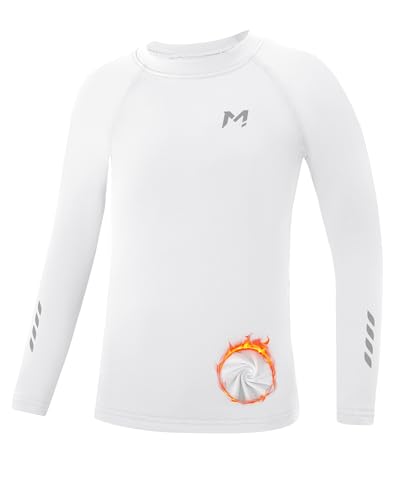
Soft Fleece Lining for Warmth: This boys thermal compression long sleeve shirts feature a premium blend of 88% polyester and 12% spandex with a soft brushed interior. The fleece lining provides excellent warmth and comfort, making it ideal for cold-weather sports or outdoor play

Compression Fit for Performance: Made from 88% polyester and 12% spandex, this youth compression base layer delivers muscle support and improved performance; perfect for training, game day, or active sports like football and basketball
How Socks and Stirrups Complete Your Under-Layer Setup
Why settle for a mismatched look when your socks and stirrups can pull your whole uniform together? Your under-layer setup isn’t complete without proper legwear that ties everything from the waist down.
Start with protective or sanitary socks as your base layer. Then slide stirrups over them, letting the colored strap wrap your calf while the base sock peeks through at the ankle. This combo delivers that classic, old-school vibe coaches love.
Match your primary sock color to your jersey, and use white or black for stripes. Knicker pants, ending just below the knee, pair perfectly with high socks or stirrups. Roll your hems carefully for a snug, clean finish that won’t bunch.
Shop baseball socks by color scheme and protection level to find your ideal match.
Recommended Products
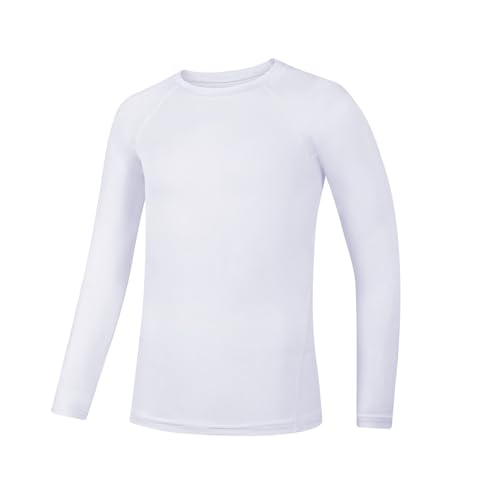
Quick Dry & Moisture-Wicking: This boy's compression long sleeve, made from breathable, quick-drying fabric, offers excellent moisture-wicking, ensuring your kids stay cool and dry during training practice, providing optimal skin comfort

These compression leggings use 4-Way-Stretch fabric, provides a moisture wicking base layer to help you feel locked in, reduce risk of injury in sports

Soft & Comfortable Fabric: This boys compression shirt long sleeve is made from a high-quality blend of 88% polyester and 12% spandex, which is ultra soft, lightweight, and breathable. Ideal as a kids athletic undershirt
Building Your Complete Under-Layer System by Position
When you’re crouched behind the plate or sprinting toward a fly ball, your under-layer needs to work as hard as you do. Building your complete under-layer system by position means choosing underlayers that match your demands on the field.
Catchers need extra protection and flexibility, so you’ll want moisture-wicking fabrics that handle sweat during long innings. Infielders require quick bursts and dives, making lightweight, temperature-appropriate layers essential for freedom of movement. Outfielders covering vast territory benefit from breathable options that won’t weigh you down during sprints.
Every position demands something different from your under-layer—protection for catchers, agility for infielders, and breathability for outfielders.
Here’s how to get your setup right:
- Stick to one layer beneath your uniform to maintain full mobility and avoid bulk.
- Choose short sleeves for heat, long sleeves for cool days, and fleece-lined pieces for freezing temperatures.
- Prioritize moisture-wicking materials that pull sweat away and dry fast, keeping you comfortable from first pitch to final out.
Recommended Products
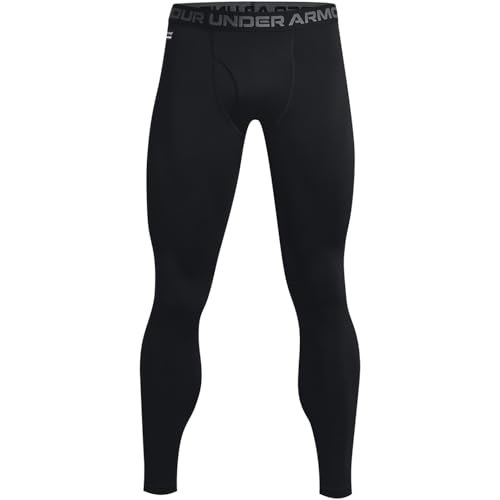
Tight Fit: Snug & form-fitting without the squeeze of compression. ColdGear Infrared lining uses a soft, thermo-conductive inner coating to absorb & retain body heat...
Under-Layer Mistakes That Ruin Comfort and Mobility
How often do you finish an inning feeling restricted, overheated, or slowed down by what’s underneath your uniform? You stack layers thinking you’ll stay warm, but you’re actually trapping heat and killing your range of motion. That’s a rookie mistake that costs you speed and comfort.
The Big Three Errors****
You pile on cotton tees that soak up sweat like a sponge. You ignore the single-layer undergarments rule and bulk up beneath your baseball pants. You skip moisture-wicking fabrics and wonder why you’re chafing by the fifth inning.
Fix It Fast
Stick to one layer: lightweight synthetics for summer, thermal tops for cold snaps. Your throwing motion stays free, and you stay dry. Choose moisture-wicking gear every time. Your performance depends on what you can’t see.