You might think travel baseball runs a few hundred bucks like rec league, but most families drop $1,500 to $3,000 per season before hotels and gas enter the picture. That gap shocks parents who signed up expecting uniforms and field time, only to find winter training, showcase fees, and Cooperstown trips waiting down the road.
The real question isn’t whether you can afford the sticker price; it’s whether you know what’s actually included. Stick around, and you’ll learn how to spot the hidden costs before they blindside your budget.
What Travel Baseball Costs in 2025: Real Family Numbers
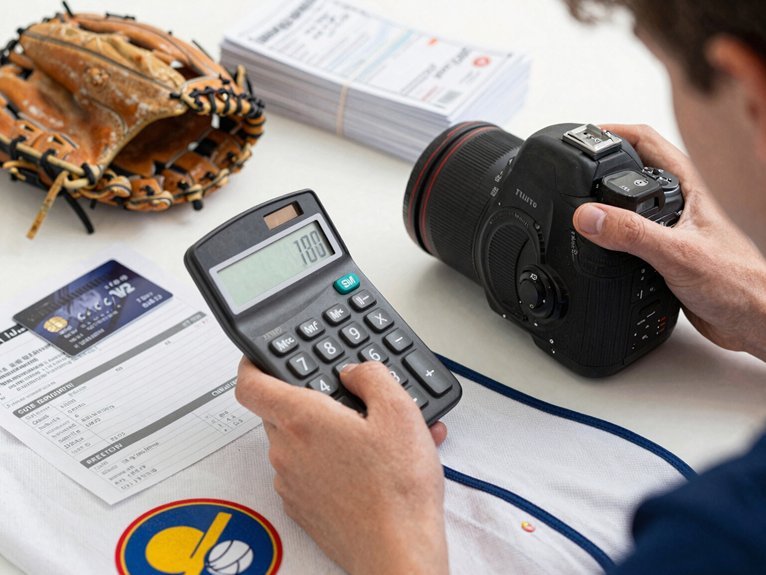
How much should you actually expect to shell out for travel baseball this year? For most families in the Chicago area, you’re looking at roughly $1,500 annually for 11U–14U teams. That covers tournament fees, travel expenses, and about six tournaments plus extra games. But don’t stop budgeting there.
For Chicago-area families, travel baseball runs roughly $1,500 annually for 11U–14U teams—but that’s just the starting point.
Age Changes Everything
Younger players (8–12U) typically see team fees between $1,500–$2,750, while 13/14U jumps to $2,500–$3,000. Planning a Cooperstown trip? Add another $1,900 per player. Your final bill includes equipment, lodging, meals, and occasional showcase entries.
Smart Money Moves
Fundraising and sponsorships can trim your total, though costs shift yearly based on program structure and location. Ask what’s included before you commit. Youth sports shouldn’t break your bank if you plan ahead and know where your dollars go.
Recommended Products

24 BASEBALLS IN A CONVENIENT BUCKET | Includes 24 youth baseballs in a durable bucket for easy storage, transport, and team practice.

24 "OLB3" and "R8U" Baseballs in a bucket for easy transport

GREAT YOUTH BASEBALL BAT: Our bundle comes with a youth bat that is 25", 14 oz, -10 Drop, with evenly loaded weight distribution. The baseball bat youth is made of high quality aluminum.
Why Some Teams Charge $500 and Others Charge $5,000
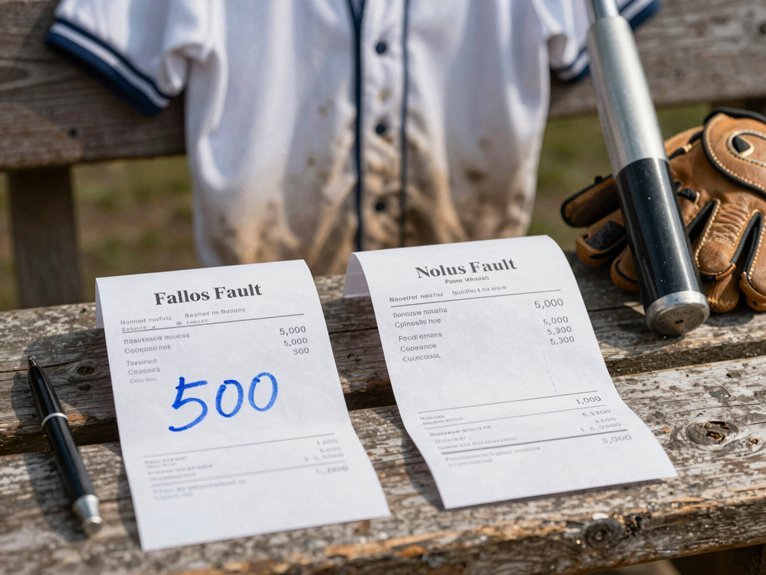
You’re probably scratching your head over why one coach asks for pocket change while another wants a small fortune, right? Travel baseball costs swing wildly because team fees depend on location, program prestige, and caliber.
Age group pricing plays a big role too. You’ll find 8, 12U programs running $1,500, $2,750, while 13/14U jumps to $2,500, $3,000.
Additional costs pile on fast. Uniforms, gloves, and bats are just the start. Travel and lodging for out-of-town tournaments can dwarf your base fee. Some teams include winter training and tournament entry; others don’t, so you’re paying extra later.
Special trips, like Cooperstown for 12U, tack on roughly $1,900 per player. Watch for hidden costs that surface after team formation. Final totals aren’t set until rosters lock, and year-to-year variability keeps you guessing.
Recommended Products

Baseball Hall of Fame design. Cooperstown New York, the village in New York State, Otsego County

Baseball vacation apparel design. Wear this awesome shirt of Cooperstown New York if you have recently gone on vacation to the quaint little town of Cooperstown. This is a great place to vacation for the people who love the game of baseball.

Get Ready For Compliments Whenever You Rock This Hipster Baseball-Themed Outfit In Cooperstown, New York! It's The Perfect Attire For Your Visit To Cooperstown, Especially For The Ultimate Baseball Tournament Of The Summer. Baseball Hall Of Fame Souvenir.
The Hidden Travel Baseball Costs Nobody Mentions Upfront
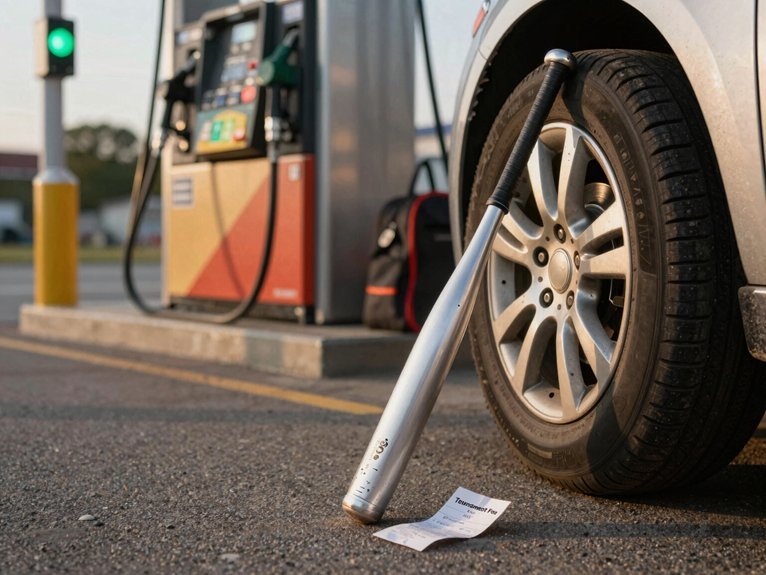
Where exactly does your money go once you’ve paid that team fee? In travel baseball, hidden costs pile up fast, and you’re often left scrambling to cover them.
The Weekend Trap****
Tournaments frequently require overnight stays. You’ll spend $500–$1,500 per weekend on lodging, meals, and gas. These travel costs rarely appear in your initial paperwork.
Surprise Add-On Fees****
Showcases and special events like Cooperstown tournaments hit families with $1,900 per player, separate from base fees. Gate entry fees and winter training sessions also sneak past early budgeting.
Why It Hurts
Programs vary year to year. You can’t predict final totals until teams form and tournaments confirm.
Your best defense: ask specific questions upfront, build a buffer into your budget, and track every receipt. Travel baseball rewards prepared families.
Recommended Products

Features logos of all 30 MLB teams

PACKAGE INCLUDE:You will receive 16PCS tennis clear bag,sufficient quantity to meet the needs of most people, use them to wrap gifts snacks candies and share happiness. These tennis gift bags are not just practical for everyday use,but are also nice tennis team gifts

OFFICIAL RAWLINGS BASEBALL | Same specifications as baseballs used in Major League Baseball play
How Real Families Pay for Travel Baseball (Without Going Broke)
So you’ve signed your kid up for travel baseball, and now you’re staring at the numbers wondering if your wallet can survive the season. You’re not alone. Many families tackle travel baseball costs without draining their savings.
Start by understanding what you’re really paying. Annual fees cover basics, but hidden expenses like gate fees and showcase events catch you off guard.
Here’s how real parents make it work:
Split tournament travel costs by carpooling and sharing hotel rooms with teammates. Buy quality used gear to cut equipment costs without sacrificing safety. Launch a simple fundraising campaign through local businesses or community events. Budget monthly for expenses instead of scrambling when bills hit.
With smart planning, you control affordability for families and keep your player on the field.
Travel Baseball vs. Rec League: How to Know Which Fits Your Family
How do you know if your family is ready for the jump from Rec ball to travel baseball?
You should weigh your family budget against your player’s goals. Travel baseball demands year-round weekend tournaments, hotel stays, and gas money that rec league simply doesn’t require. Travel team fees cover coaching and fields, but tournament travel and private coaching add up fast.
Travel baseball demands year-round tournaments, hotel stays, and gas money that rec league simply doesn’t require.
Ask yourself: Can you handle multiple weekly practices plus weekend road trips? Rec league keeps costs low with local games and flexible schedules. Travel ball offers better competition and exposure, but you’ll pay for it in time and money.
If your budget’s tight and your kid just wants fun, stick with rec league. If you’re ready for serious commitment, travel baseball might be your game.
Recommended Products

FAMILY BUNDLE: 6'x6' NET + BATTING TEE + BALL CADDY + 2 STRIKE ZONES Packaged together for family.Great items for every family have in their personal stash of baseball training equipment or makes the perfect addition to the collection of team training equipment. This package will provide the whole sets you need for the ultimate baseball training setup either in the backyard, garage,indoor or outdoor.

Designed for Recreational Use, this bag of 12 official league baseballs features a solid cork and rubber center, making them ideal for batting practice or casual games

"Most Complete Speed and Agility Training Set": A versatile soccer agility training equipment set include everything your need- to train like a professional. Includes a 20ft adjustable speed ladder with 4 *ground stakes, 4 *Adjustable agility hurdles,12* soccer cones, 1* speed parachute,1*Jump Rope,a portable carry bag and 1*footwork drill posters. The football training equipment set with various sport equipment add extra edge to your training sessions and take your abilities to the next level