Finding the right baseball helmet isn’t just about grabbing your favorite color. You’ve got to match your head to the right size chart, and every age group plays by different rules. Tee ball kids need lightweight protection, youth players need room to grow, and adults face choices between open-face and masked designs.
Measure above your ears, check for NOCSAE certification, and run that shake test. But here’s the catch: even with the perfect measurements, one small fit mistake can leave you unprotected at the plate. The next sections break down exactly what to watch for.
Measure Head Circumference for Your Baseball Helmet Size
How do you know which helmet will actually protect you when a fastball comes your way? You’ll start by finding your head circumference, and it’s simpler than you think.
Grab Your Measuring Tape****
Wrap a flexible fabric measuring tape around your head, positioning it just above your ears. Keep the tape flat, snug but not tight. Don’t measure over hats or bulky hair, or you’ll get the wrong number. Write down your measurement to the nearest fraction of an inch.
Measure snugly above your ears, keeping the tape flat—skip hats or bulky hair for accuracy.
Match to the Helmet Size Chart****
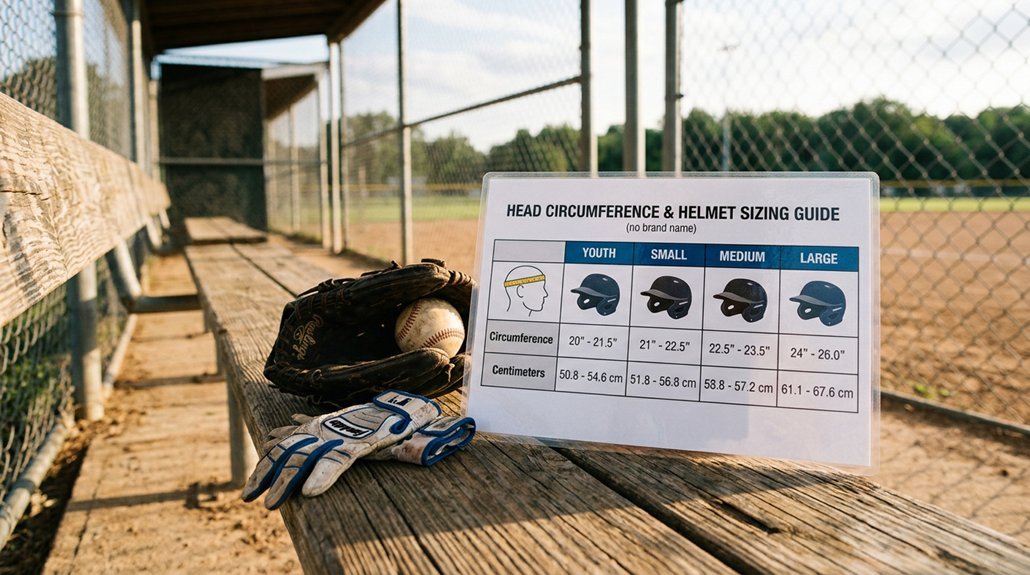
Take that number and check the helmet size chart from your preferred brand. Sizes usually break down into tee ball, youth, and adult ranges. Re-measure to double-check, since brands vary slightly. Once you’ve got your match, you’ll verify the fit sits about one inch above your eyebrows with no gaps between pads and your head.
Recommended Products

MEETS NOCSAE STANDARD

BUILD THE FULL REMIX LOOK | Part of the Amazon-exclusive Rawlings Remix T-Ball Collection, with matching bats, gloves, pants, bags, and batting gloves to complete your player's game-day look
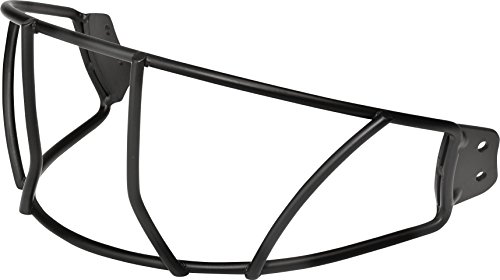
MAXIMUM VISIBILITY | New wire configuration allows for increased visibility and less weight
Tee Ball Helmet Sizes: 4–6 Year Old Sizing Chart
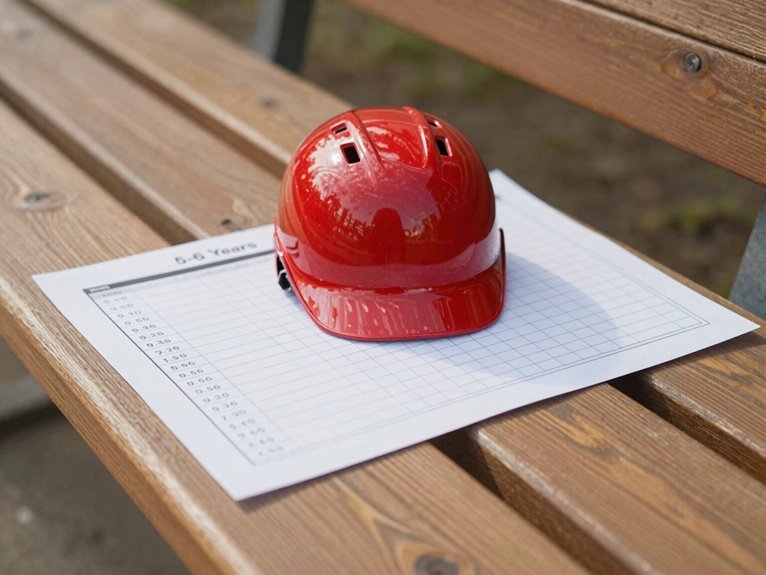
Now that you’ve got your head circumference measurement, you’re ready to find the right fit for your youngest player.
Finding the Right Size Chart
Grab a size chart from your helmet’s manufacturer. Most Tee Ball brands convert your head circumference into sizes like 6 ¼ to 6 ½ inches. Different companies use slightly different ranges, so don’t skip this step.
Checking for a Snug Fit
A proper helmet sits one inch above your player’s eyebrows. The pads should touch their head everywhere with no gaps. Shake your head gently; the helmet shouldn’t wobble or slide.
Quick Measuring Tips****
- Wrap the tape just above the ears
- Record the number, then measure again
- Round up if you’re between sizes
You’ve got this! A secure, comfortable helmet keeps your little slugger safe and confident at the plate.
Recommended Products

Reduces the fit of compatible Velo helmets by two hat sizes

EvoShield XVT 2.0 Matte Batting Helmet - Black, Small/Medium
DOT SAFETY PROTECTION - XFMT kids dirt bike helmets built with high-impact ABS shell and high-density EPS buffer layer, meets strictly DOT FMVSS-218 safety standards, ultra-lightweight (just 1030g) but provides reliable head protection for your kids during off-road adventures or street bike riding.
Youth Baseball Helmet Sizes: 7–12 Year Old Sizing Chart
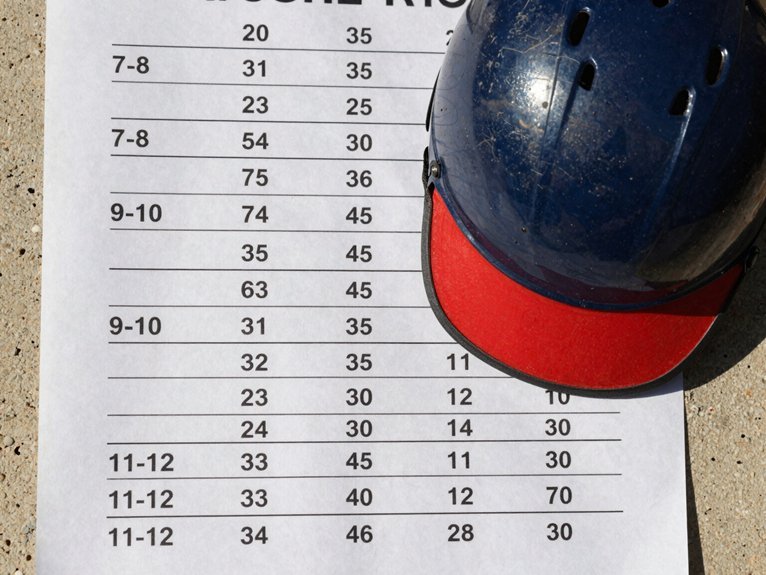
You’ll want to start by measuring your child’s head circumference just above the ears, since youth helmets for ages 7–12 typically fit heads between 20.5 and 22.5 inches. Choose between open-face and batting helmets with facemasks depending on your league’s requirements and your player’s position.
Always check that the helmet sits one inch above the eyebrows and stays put during a shake test, because a loose helmet won’t protect properly and an overly tight one causes distractions at the plate.
Recommended Products

IMPACT-GRADE CONSTRUCTION: Constructed with three layers of impact-grade ABS material and high-density, impact-absorbing contour comfort foam for maximum protection and comfort.

RIDE YOUR WAY: Whether you're heading to work or cruising through town, this low-profile half helmet is made for cruiser motorcycles, scooters, and mopeds. Lightweight comfort makes every ride feel easy and enjoyable.

【DOT Certified】--The BwondMand baseball motorcycle helmet is made of high-quality ABS material, has a one-piece edge, is strong and drop-resistant, and offers good comprehensive protection performance. It meets DOT safety standards.
Measuring Head Circumference
Head circumference measurement is your first step toward finding a helmet that fits like a glove, not a wobble. You’ll want to grab a soft measuring tape and wrap it around your head just above the ears and across the forehead. Keep the tape flat and snug, but don’t crank it tight. This measurement technique gives you the number you need to crack any helmet size chart.
Here’s how to do it:
Remove hats, headbands, or bulky hairstyles before measuring. Re-measure twice to confirm your number is accurate. Use your head circumference to match the youth sizing chart for 7–12 year olds.
Once you’ve got your measurement, you’ll convert it to a standard hat size and find your match on the youth baseball helmet sizes chart. Double-check before buying; a quick re-measure saves you from a loose lid at the plate.
Selecting Proper Helmet Type
With your head circumference number in hand, you’re ready to pick the right helmet type for your 7–12 year old.
Grab the manufacturer’s helmet size chart and match your measurement to the listed size. Don’t guess; these charts map directly to protective gear designed for tee ball, youth, and junior leagues.
Now consider jaw-guard options. Some leagues require full facial protection, while others let you choose open-face styles for better visibility. Check your league rules first, then weigh your child’s comfort and confidence at the plate.
You’ll find helmets sized specifically for this age range. Resist buying larger sizes to “grow into.” A helmet matched to actual head circumference protects better during slides, dives, and close calls. Your young player stays safer with gear that fits now, not someday.
Ensuring Snug Helmet Fit
How do you know when a helmet truly fits? You start by measuring your head circumference around the forehead and just above the ears. Wrap a soft tape or string, then check against the manufacturer’s youth chart. Don’t guess by age alone.
Once you’ve got your number, look for these fit checkpoints:
- Position the helmet one inch above your eyebrows, aligning side pads with your ears
- Perform a shake test: if it wobbles, it’s too loose; if it pinches, size up
- Verify NOCSAE certification on the sticker before buying
A snug fit means minimal movement without discomfort. You’ll feel secure at the plate, ready to focus on the pitch, not your gear. Double-check youth-specific charts for Tee Ball through Youth divisions, and you’ll knock helmet shopping out of the park.
Adult Baseball Helmet Sizes: 13+ Year Old Sizing Chart
Where do you start when your young athlete is ready for adult gear? You measure their head circumference just above the ears and across the forehead. Most brands like Easton and Rawlings use sizing charts mapping 21.5 to 23.5 inches to Small through Extra-Large helmets for players 13 and up.
Always check for NOCSAE certification before buying. This safety standard protects against serious impacts.
Fit Check Basics
- Helmet sits one inch above eyebrows
- Pads touch evenly all around
- Minimal movement on shake test
Brand-specific charts matter because faceguards and chin straps vary. Don’t assume one size fits all manufacturers.
Quick Buying Tips
Try helmets with your player’s usual batting stance. Comfort affects focus at the plate, and a proper fit prevents distractions during crucial at-bats.
Recommended Products

IMPACT-GRADE CONSTRUCTION: Constructed with three layers of impact-grade ABS material and high-density, impact-absorbing contour comfort foam for maximum protection and comfort.

CHOOSE YOUR GAME-DAY LOOK | Available in two Coolflo designs: the original, classic Coolflo or the sleek, pro-inspired Coolflo Max, so young players can choose the style that fits them best

Z50 HELMET | High-impact ABS shell with zonal foam placement provides durable protection and optimized comfort.
Fastpitch vs. Baseball Helmet Sizes: What’s Different?
Why do two helmets with the same head measurement fit so differently? You’re seeing how fastpitch and baseball designs diverge even when your head circumference matches. Fastpitch helmets often pack extra protection that changes everything.
Check each brand’s sizing chart individually: identical measurements rarely map to the same size across product lines. Account for jaw/face guard attachments that tighten the fit around your temples and cheekbones. Remember that open-face baseball helmets typically run looser in front for better visibility.
Your league might mandate specific guard configurations, so don’t rely on generic head circumference data alone. Fastpitch gear prioritizes snug jawline containment, while baseball models favor a freer feel. Match your helmet to your sport’s demands, not just your tape measure.
Recommended Products

COOLFLO SKULL CAP STYLE | Designed for coaches to stay cool and protected while on the basepaths

SIZING RECOMMENDATIONS: Measure around your head, one half inch above the brows and ears; X-Small 18 3/4 to 20 1/4 in; Small/Medium 19 5/8 to 21 5/8 in; Medium/Large 20 1/2 to 23 1/4 in; X-Large 22 3/4 in and up; order the larger if between two.

MAXIMUM PROTECTION | ABS thermoplastic shell is engineered to keep hitters safe in the batters box
4 Helmet Fit Problems to Fix Before You Buy
You’ll want to spot loose helmet movement, forehead position errors, and ear alignment issues before you hand over your cash. These three fit problems can turn a protective helmet into a liability, so let’s walk through how to check each one quickly.
Getting this right means better protection and clearer vision when you’re staring down a fastball.
Recommended Products

MAXIMUM PROTECTION | ABS thermoplastic shell is engineered to keep hitters safe in the batters box

MAXIMUM PROTECTION | ABS thermoplastic shell is engineered to keep hitters safe in the batters box

MAXIMUM PROTECTION | ABS thermoplastic shell is engineered to keep hitters safe in the batters box
Loose Helmet Movement
How can you tell if your helmet’s too loose before you step up to the plate? Measure your head circumference and compare it to the brand’s size chart. A proper snug fit means the pads touch your head evenly without gaps. If you feel helmet movement during the shake test, you’ll need a smaller size.
Here’s how to fix loose fit issues:
Skip hats or headbands underneath; extra layers compromise protection. Check that side holes line up with your ears for even positioning. Verify the helmet sits one inch above your eyebrow without rocking.
Look for NOCSAE certification and securely attached face guards when buying. A wobbly helmet won’t protect you when you need it most, so take time to get this right.
Forehead Position Errors
Where should your helmet sit for the best protection? Your forehead position matters more than you might think. Position the helmet about one inch above your eyebrows to prevent obstruction of your vision and maximize coverage against impacts.
Check that the interior pads create even contact around your entire head. You shouldn’t feel gaps or pressure points that could distract you at the plate. If the helmet rocks during your shake test, you’ve got a fit problem that needs fixing.
Watch out for faceguards or jaw guards that creep too low and block your sightlines. Your helmet fit should feel secure without squeezing your forehead uncomfortably. Remember, you can’t hit what you can’t see, so take time to get this right before you buy.
Ear Alignment Issues
Why does ear position trip up so many players? Many folks focus on head circumference alone and skip checking where their ears actually sit inside the helmet. Poor ear alignment throws off your whole fit, leaving gaps that reduce protection and comfort.
Line up the helmet’s side holes with your ears for even padding all around. Check that ear pads touch without pinching, crowding, or sliding.
Size down if the helmet shifts during a shake test, since movement compromises safety.
Final Fit Check: Confirm Your Size Before Purchasing
When you’re ready to buy, what exactly should you double-check to make sure your helmet fits right? Start with your head circumference measured just above the ears, then perform a final fit check before you pay.
Check These Essentials
Shake your head. The helmet shouldn’t move. It should sit one inch above your eyebrow, with the brim low on your forehead. The side holes must align with your ears, and the pads should touch evenly with no gaps.
The helmet should stay put when you shake—snug, level, and evenly padded with no gaps.
Avoid These Mistakes
Don’t size up hoping you’ll grow into it. If it shifts, size down. Never wear hats underneath.
Safety First
Confirm your helmet carries NOCSAE certification. Check that any face masks or jaw guards match the brand. You’re protecting your head, so don’t cut corners on fit or safety standards.
Recommended Products

EvoShield XVT 2.0 Matte Batting Helmet - Scarlet Red, X-Small

REVERSIBLE FACE GUARD | Equipped with the RX2REVADJ reversible and adjustable extension for customized facial protection.

EvoShield XVT 2.0 Gloss Batting Helmet with Facemask - Royal, Medium/Large