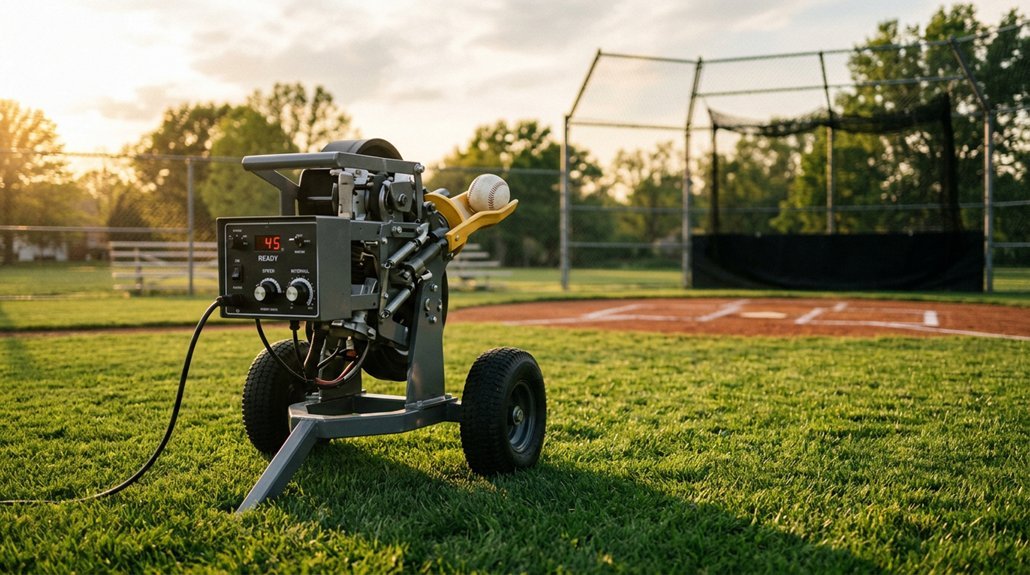
Most buyers fixate on the sticker price and miss the real money drain. You’ll drop $500 to $1,500 on balls, screens, and power setups after you unbox the machine.
Wheel count drives everything: single-wheel units run $500 to $1,500 and handle basic fastballs, while two-wheel models at $900 to $2,500 add curveballs and sliders. Three-wheel machines start near $2,000 and mimic any pitch a live arm can throw.
Smart shoppers cut costs 30 to 50% through used gear, 0% financing, or short-term rentals. Your perfect machine depends on who swings the bat and how often.
Pitching Machine Prices: From $200 Backyard Units to $4,000+ Pro Models
The cost of a pitching machine depends on what you’re trying to accomplish. Pitching machines span a wide price range, from $200 backyard units to $4,000+ pro models. You’ll find entry-level options under $500 perfect for basic BP at 30–70 mph speeds. These get the job done without breaking the bank.
Mid-range two-wheel and three-wheel programmable machines run $900 to $3,500. They add breaking balls and more versatility for serious training.
High-end professional units start around $2,500 and can exceed $15,000 for training facilities.
Don’t let sticker shock bench you. Financing options with 0% APR over 6–12 months are commonly available for purchases over $500. Whether you’re outfitting your garage or a commercial facility, there’s a machine that fits your budget and your swing.
Recommended Products


Throws any type of ball, hard balls, fast pitch softballs, dimple balls, light flight, plastic and even soccer and volleyballs

BASEBALL THROWING MACHINE: Our single wheel baseball throwing machine offers automatic pitching, ensuring consistent and accurate throws for effective training sessions for both youth and adult players, making this an excellent sports training accessory for athletes and coaching staff
How Wheel Count Affects Pitching Machine Prices and Capabilities
Wheel count isn’t just a spec sheet number; it’s what separates a basic fastball feeder from a machine that’ll have you ready for curveballs in the big leagues. When you’re shopping, you’ll notice wheel count directly shapes both price and capabilities.
Here’s what you need to know:
- Single-wheel machines run $500–$1,500. You’ll get fastballs only, with speeds topping out around 70 mph. They’re fine for beginners, but you’ll outgrow them fast.
- Two-wheel models jump to $900–$2,500. Now you’re talking breaking balls and 90+ mph heat. The extra wheel gives you real pitch variety and better speed control.
- Three-wheel units like Hack Attack systems cost $2,000–$3,500+. These dominate training facilities because they replicate any pitch with tight repeatability.
More wheels mean more capabilities, so match your pitching machine to your goals and budget.
Recommended Products

Training baseball with finger placement markers for four different pitches: 4-seam fastball, 2-seam fastball, curveball and slider

VERSATILE FIELDING TRAINING: 3 ball-return settings let you switch effortlessly between fielding grounders, catching line drives, and snagging fly balls to perfect every aspect of your fielding skills for seasons to come

2-IN-1 PITCH BACK AND TARGET: This pitch back is designed for dual-sided use as both a pitching target and return rebounder for your Little Leaguer to hone several skills at once!
The Extra $500–$1,500 You’ll Spend After Buying: Balls, Screens, and Power
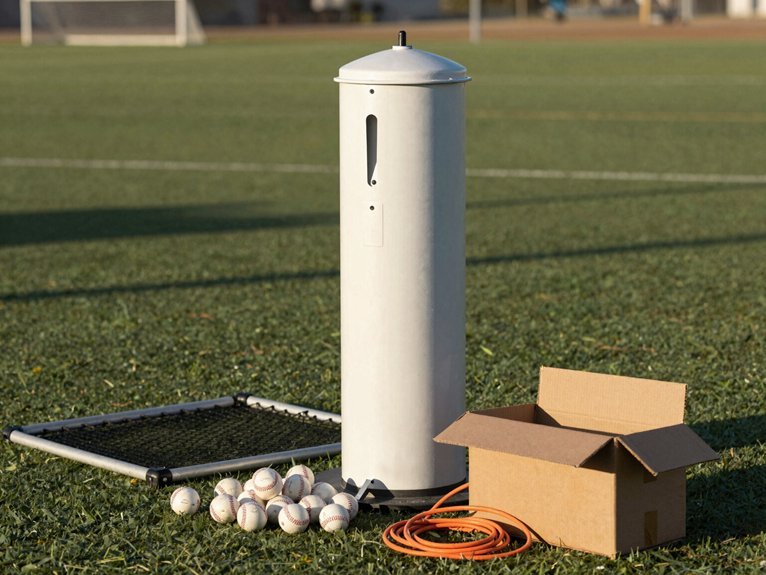
Why stop at the machine itself when you’re building your perfect practice setup? You’ll need dimpled balls for your pitching machine, since leather ones wear out faster and cost more in replacement balls long-term.
A quality protective screen keeps everyone safe, so don’t skip batter protection just to save a few bucks.
Power accessories matter too. Most pitching machines plug into standard outlets, but field setups might need generators or battery packs. Grab some expansion cords so you’re not stuck twenty feet short.
These ongoing costs add up. Budget for fresh screens, worn balls, and gear that breaks down over time. You’re looking at $500, $1,500 beyond the initial purchase, but this investment keeps your training safe and smooth.
Recommended Products
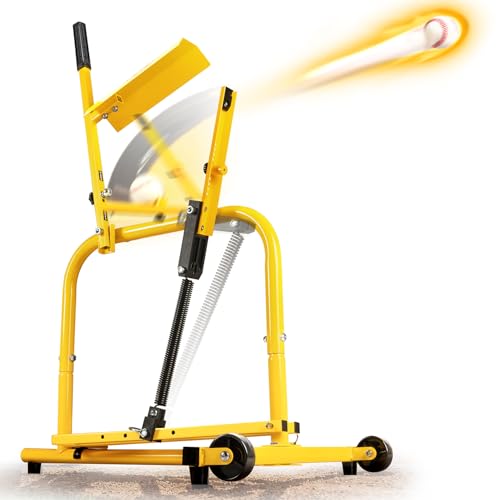
【Heavy-Duty Steel Frame】Equipped with steel construction that delivers more consistent and accurate pitches, simulating real game conditions to improve timing and hitting skills.
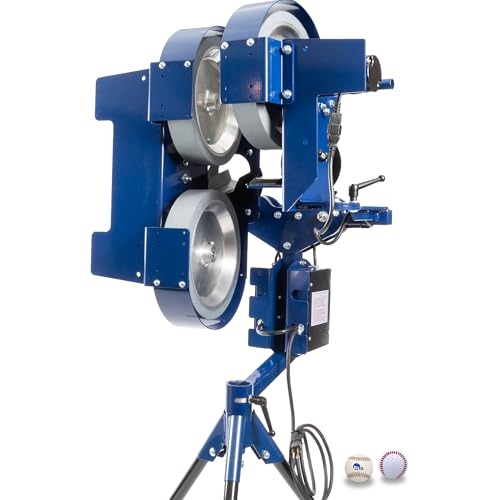
BASEBALL THROWING MACHINE: Our three wheel baseball throwing machine offers automatic pitching, ensuring consistent and accurate throws for effective training sessions for both youth and adult players, and the fastball and curveball heads are both adjustable up to 35 degrees in either direction to mimic right-handed or left-handed pitching styles, making this an excellent sports training accessory for athletes and coaching staff

Complete 3-in-1 Training System: Pitching machine, ball caddy, and 7×6 ft L-shaped protective screen — everything you need for safer, more efficient baseball and softball practice. Perfect for home, backyard, or team drills.
How to Cut Pitching Machine Costs by 30–50%: Used, Financing, and Rentals
Smart shoppers know a new machine isn’t your only option. You can slash pitching machine costs by 30–50% with three proven strategies.
Buy used: You’ll find single-wheel models and two-wheel models at steep discounts. Check local listings, sporting goods resellers, and team liquidations. Just inspect for wear and ask about recent maintenance.
Explore financing: Many retailers offer payment plans with 6–12 month terms, sometimes at 0% APR on qualifying purchases. This spreads price ranges across your budget without draining savings.
Try rental programs****: Perfect for short-term needs or testing features before committing. Rentals often include accessories and cover repairs.
Factor in ongoing costs like compatible balls, protective nets, and replacement parts. With these approaches, professional-grade performance fits your wallet.
Recommended Products

much easier to catch than the regular baseballs. I do not have a pitching machine, we play in the backyard,These are fun and bright colored, so they want to play with them, and the color makes it easier to find the strays. The balls are easy to hit with the bat, and they get decent distance which helps with the confidence of the players. We have used the tee to hit off and pitching
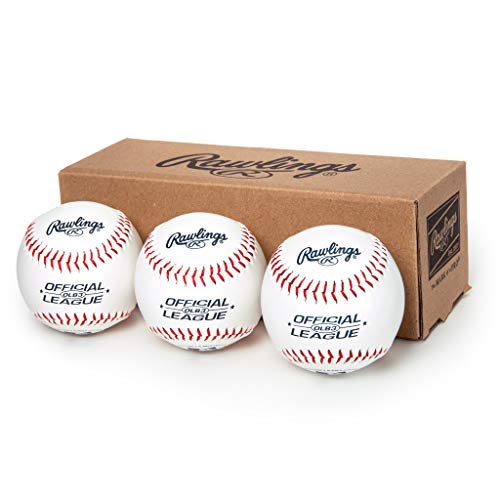
Designed for recreational use, this box of 3 Official League Baseballs features a solid cork and rubber center, making them ideal for batting practice or casual games

EXTREME DURABILITY : Engineered to retain shape and prevent cracking, even after thousands of hits