You’re standing in the batting cage, staring at a DeMarini bat, and wondering who actually makes this thing. Here’s the quick answer: Wilson Sporting Goods bought DeMarini back in 2000 and still runs the show today.
But here’s where it gets interesting. Wilson didn’t just swallow up another brand and call it a day. They kept the magic happening in Hillsboro, Oregon, where Ray DeMarini’s original factory still pumps out bats with that same rebellious, tech-heavy attitude.
So you’re getting Wilson’s deep pockets and distribution muscle fused with DeMarini’s mad-scientist approach to bat design. That combo matters when you’re dropping serious cash on your next stick. Want to know if that ownership structure actually helps you hit better, or if you’re just paying for a logo? Stick around.
Who Owns DeMarini? Wilson’s 2000 Acquisition Explained
Who actually owns DeMarini these days? Wilson Sporting Goods bought the company back in 2000, and they’ve owned it ever since.
What This Means for You
When you pick up a DeMarini bat today, you’re holding a Wilson product. But don’t worry, they didn’t just gut the brand. Wilson kept DeMarini’s main factory running in Hillsboro, Oregon, so you’re still getting bats made in the USA. The Chicago headquarters stayed put too.
The Bottom Line
This purchase actually helped DeMarini grow. You get more product options, and they maintained that in-house manufacturing you probably care about.
Ray DeMarini, the founder, passed away in 2001, just a year after the sale. But his legacy of innovation lives on under Wilson’s umbrella.
Recommended Products

DX1 Alloy Barrel: A high strength alloy that is built for peak performance and durability.

DeMarini 2025 Zen (-10) USA Baseball Bat - 31"/21 oz

2023 DeMarini Voodoo One Piece (-5) USA Baseball Bat - 30"/25 oz
Did Wilson Change DeMarini? What Stayed the Same
Wilson’s 2000 buyout of DeMarini probably makes you wonder what actually changed. Under Wilson’s ownership, you’ll find DeMarini kept its heart:
Wilson’s 2000 buyout of DeMarini probably makes you wonder what actually changed. Under Wilson’s ownership, you’ll find DeMarini kept its heart.
- Hillsboro, Oregon stays home to your bat’s birthplace, no outsourcing abroad
- Custom options and in-house production live on, satisfying your personal preferences
- Doublewall technology keeps crushing softballs, just like you remember
You’ll notice some shifts too. Post-buyout expansion brought apparel in 2012 and fresh bat technologies to your lineup. Leadership evolved, yet the brand culture kept swinging for performance-driven innovation.
Wilson’s ownership preserved what made DeMarini your go-to: American manufacturing, quality craftsmanship, and that rebellious edge you trust. The fundamentals stayed solid, even as your choices grew.
Recommended Products

DeMarini 2025 Zenith (-13) Fastpitch Softball Bat - 30"/17 oz
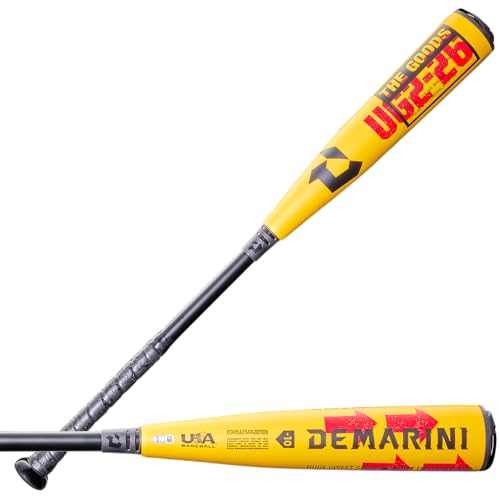
DeMarini 2026 The Goods (-10) USA Baseball Bat - 28"/18 oz

DeMarini 2025 Uprising (-12) Fastpitch Softball Bat - 29"/17 oz
Why Wilson Keeps DeMarini Manufacturing in Oregon
Why does Wilson keep your DeMarini bats rolling out of Oregon instead of shipping production overseas? You’re getting quality control that overseas factories simply can’t match.
The Oregon Advantage****
Manufacturing in Oregon puts everything under one roof. Wilson expanded your Hillsboro facility to 77,000 square feet in 2017, packing manufacturing, R&D, design, and customer service together.
About 120 employees focus solely on bat production.
What This Means for You
You benefit from rapid iteration. When feedback comes in, engineers walk downstairs and tweak designs immediately. No waiting on overseas shipping or time zone delays.
You get tighter quality control and faster innovation cycles.
Bottom Line
Wilson keeps manufacturing in Oregon because you deserve bats built with hands-on precision, not mass-produced uncertainty.
Recommended Products

DeMarini 2026 Uprising (-11) USA Baseball Bat - 29"/18 oz

DeMarini 2025 CF (-11) Fastpitch Softball Bat - 32"/21 oz

DeMarini 2025 Zen (-3) BBCOR Baseball Bat - 33"/30 oz
Who Runs DeMarini Day-to-Day Under Wilson
You might wonder who’s actually steering the ship at DeMarini these days, and the answer sits within Wilson’s broader leadership framework. The day-to-day operations flow through a dedicated team at the Hillsboro, Oregon facility, where manufacturing, R&D, and product development all happen under one roof. This setup keeps DeMarini nimble while tapping into Wilson’s resources, so you’re getting that small-brand innovation backed by big-company stability.
Recommended Products
DeMarini 2025 Zenith (-13) Fastpitch Softball Bat - 31"/18 oz

DeMarini 2025 Spryte (-12) Fastpitch Softball Bat - 29"/17 oz
DeMarini 2025 Uprising (-12) Fastpitch Softball Bat - 30"/18 oz
Wilson Leadership Structure
The team running DeMarini today blends Wilson’s corporate muscle with hands-on leadership right where the bats get made. You’re seeing a dual-layer Wilson leadership structure in action: Chicago handles big-picture strategy, while Hillsboro keeps production humming.
Here’s what this means for you:
- Executive teams in both locations coordinate manufacturing and R&D without bottlenecks
- Wilson-backed resources let DeMarini iterate fast and track every bat through RFID systems
- Global distribution runs smoother when corporate oversight meets local expertise
Since Ray DeMarini’s passing in 2001, Wilson’s structure has kept day-to-day control tight and responsive. You get bats built by people who understand both craft and commerce, with decisions made quickly where it counts.
Oregon Facility Management
Behind every DeMarini bat you swing is a factory team in Hillsboro, Oregon that keeps things running. Since 2000, DeMarini ownership by Wilson Sporting Goods has meant this facility drives your bat from sketch to finished product.
What Happens in Hillsboro
You’ll find 120 employees crafting bats across 77,000 square feet. They expanded in 2017, adding 37,000 square feet for more innovation space. Your bat never leaves the building. Robotics, CNC machining, and RFID tracking guide production start to finish.
Why This Matters to You
No overseas outsourcing means faster tweaks when you need them. Wilson backs the team, but Hillsboro calls the shots on daily manufacturing and R&D. You get quicker turnarounds and homegrown quality.
That’s Oregon facility management under Wilson: your bat, built where oversight stays close and hands stay busy.
Daily Operations Team
Leadership at DeMarini starts where your bat gets built. Under DeMarini ownership by Wilson, you’ll find roughly 120 employees running daily operations from the Hillsboro, Oregon facility.
This team handles everything in-house. You’ll watch them process raw materials, heat-treat, machine, paint, apply graphics, and assemble your bat. They even track each one with RFID technology.
Your day-to-day crew includes:
- Manufacturing and robotics operators keeping production precise
- R&D leaders like Don Loeffler and Hodad pushing D-Lab innovations
- Customer service and design teams working steps from the factory floor
You benefit from this co-located setup. When development, production, and support share one building, your feedback reaches engineers fast, and limited releases hit shelves quicker.
Where DeMarini Fits in Wilson’s Baseball Bat Lineup
How exactly does DeMarini stack up against Wilson’s other bat brands? When you look at DeMarini ownership under Wilson Sporting Goods, you’ll see a brand that fills a specific, powerful niche.
DeMarini’s Role in Your Lineup
You get high-performance fastpitch and baseball bats designed for serious players who want cutting-edge tech. While Wilson handles the broader sporting goods world, DeMarini delivers the specialized firepower. You’re looking at in-house manufacturing in Hillsboro, Oregon, which means Wilson keeps quality control tight.
What This Means for You
- Tech-forward designs for competitive play
- Integrated distribution through Wilson’s channels
- Apparel and accessories under the same umbrella
You won’t mistake DeMarini for a budget option. It’s Wilson’s performance flagship, built for players who swing for the fences.
Recommended Products

Large Main Compartment fits helmets, glove and gear

Louisville Slugger 2026 Omaha (-10) USA Baseball Bat - 30"/20 oz

DESIGNED FOR YOUTH BASEBALL | With a -12 drop weight and 2-1 4’’ barrel diameter this bat is ideal for younger players in USA Certified Baseball Leagues
DeMarini vs. Louisville Slugger: How Wilson’s Brands Compare
You might wonder how Wilson keeps two strong bat brands from stepping on each other’s toes, and the answer lies in smart positioning.
DeMarini targets players who want cutting-edge tech and USA-made craftsmanship, while Louisville Slugger leans on its long heritage and broader appeal across skill levels.
When you’re choosing between them, you’ll want to weigh whether innovation or tradition matters more for your swing.
Recommended Products
DeMarini 2025 Zenith (-13) Fastpitch Softball Bat - 28"/15 oz

X14 Alloy Barrel: A massive alloy barrel designed specifically for elite power hitters.

DeMarini 2025 The Goods One Piece (-3) BBCOR Baseball Bat - 32"/29 oz
Brand Positioning Strategies
Why does Wilson keep two strong bat brands under one roof? You’re looking at smart DeMarini ownership dynamics in action. Wilson lets each brand carve its own lane, so you get choices that fit your game.
DeMarini targets players who want cutting-edge tech and USA-made quality. You see this in their Hillsboro factory, where they build bats like the CF and Voodoo with Doublewall innovation. They chase the college crowd hard, sponsoring 150+ programs with a high-performance vibe.
Louisville Slugger plays broader, hitting pros and casual players alike. You notice DeMarini’s sharper edge in fastpitch and baseball customization, plus that aggressive Little League push that gets parents talking.
Here’s what separates their strategies:
- DeMarini bets on in-house production and tech-forward design
- Louisville Slugger spreads wider across skill levels and leagues
- You pick based on whether you want specialized performance or all-around access
Product Line Differentiation
Where do you turn when you’re chasing a championship-level bat versus something reliable for weekend games? You’d reach for a DeMarini, that’s where. The DeMarini product lineup delivers exactly what serious players crave.
DeMarini’s Playbook: Performance First
You’re looking at BBCOR beasts, Fastpitch Vizion and CF Prism+ composites, plus USSSA/USA options built for competition. They’re crafted in-house with Doublewall tech and aluminum-carbon hybrids, and you can customize your stick through D-Lab.
Louisville Slugger’s Breadth
You’ll find wood bats with serious heritage, alloy options for youth leagues, and weight drops spanning every age group. It’s your grab-and-go brand with distribution everywhere.
The Bottom Line
You pick DeMarini when you’re chasing every competitive edge. You pick Louisville Slugger when you want proven reliability across multiple leagues. Wilson’s got you covered either way.
Is DeMarini Still American-Made? Inside the Hillsboro Factory
How does a brand keep its swing after joining a major league roster? You find the answer in Hillsboro, Oregon, where DeMarini’s American-made roots run deep. Wilson bought the company in 2000, but the factory stayed put and actually grew.
Raw materials arrive and change into finished bats under one 77,000-square-foot roof. 120 employees handle CNC machining, painting, graphics, and assembly with RFID tracking for every stick. R&D and customer service sit right beside production, so feedback becomes improvements fast.
You won’t find offshore shortcuts here. The 2017 expansion added 37,000 square feet of space for line diversity and innovation. When you grip a DeMarini, you’re holding something built by hands that understand the game, not just the bottom line.
Should You Buy a DeMarini or a Wilson Bat?
Standing in the batter’s box with a DeMarini in your hands, you’ve already experienced what American manufacturing can deliver. DeMarini ownership by Wilson gives you the best of both worlds: cutting-edge tech backed by a sporting goods giant.
DeMarini Bats: Built for Performance
You’ll get Doublewall technology and the CF/Voodoo lines, all made in Hillsboro, Oregon. These bats pack serious pop for players who want premium engineering.
Wilson Bats: The All-Around Option
You’re looking at broader distribution and solid value, though less specialized tech.
The Bottom Line
Choose DeMarini if you crave innovation and American craftsmanship. Pick Wilson for accessibility and budget-friendly play.
Either way, you’re swinging quality. Just grip it, rip it, and let the results speak.
Recommended Products

EASY-TO-HANDLE | This lightweight and easy-to-handle bat is great for helping young hitters square up more pitches and swing with confidence.

DeMarini Voodoo Junior Baseball Backpack - Black